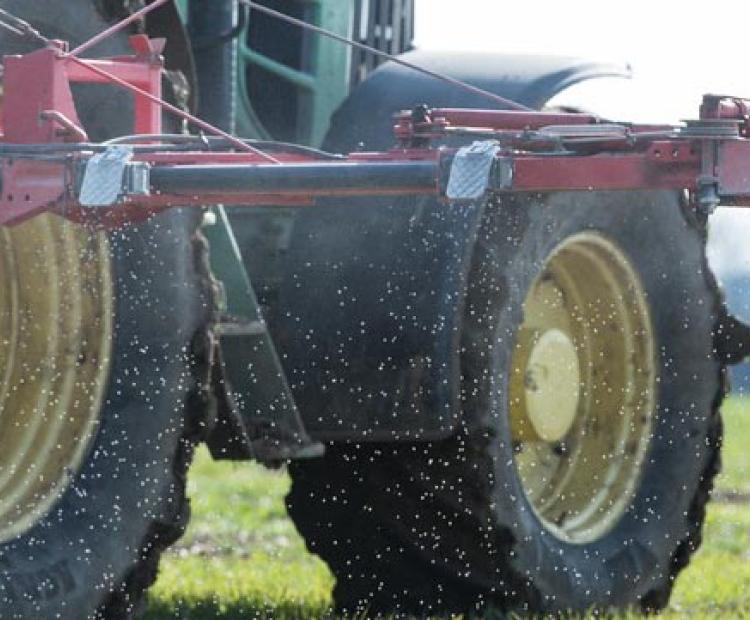
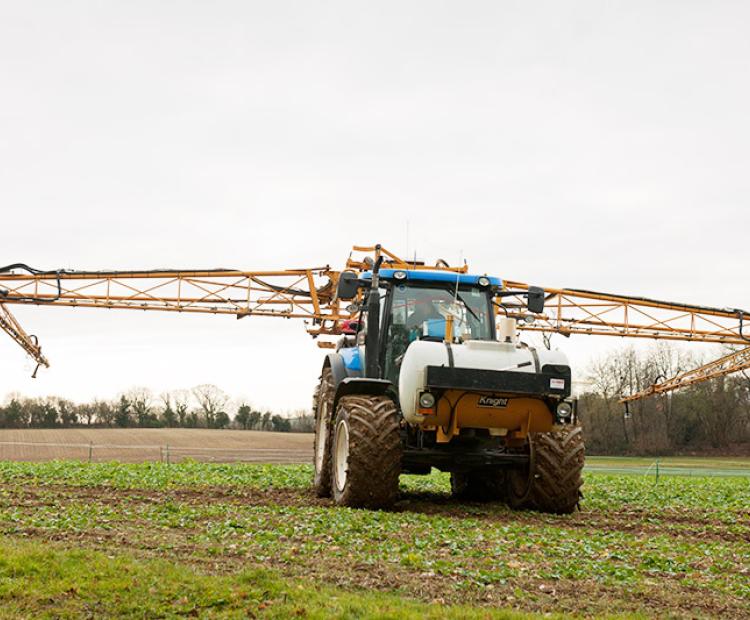
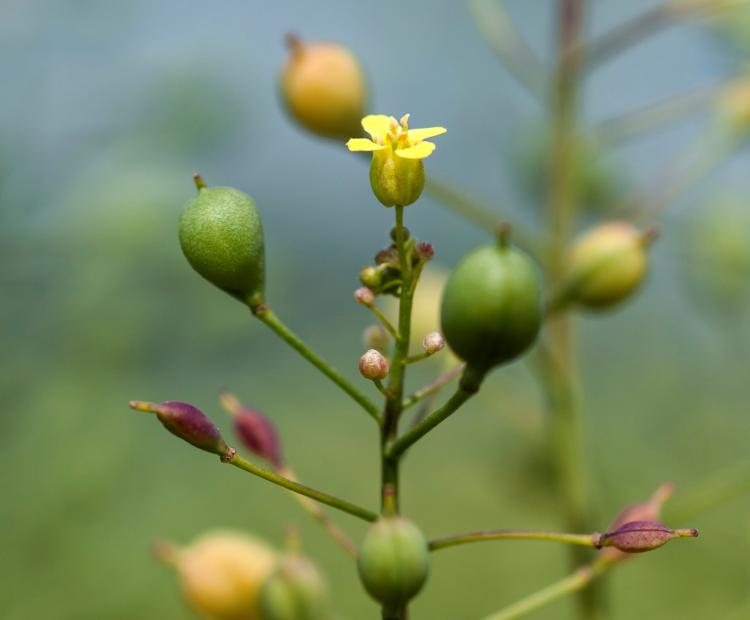
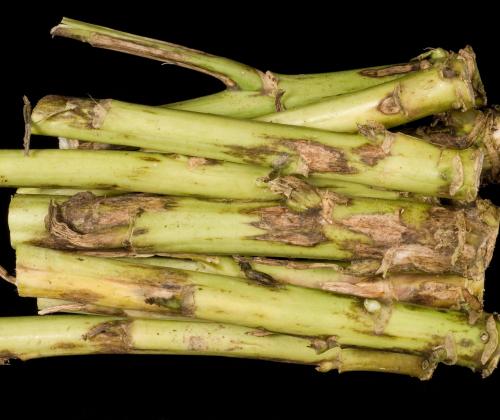
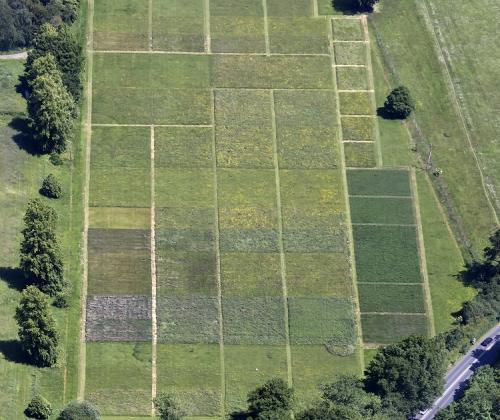
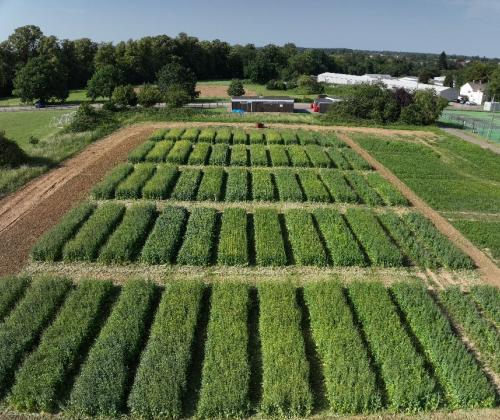
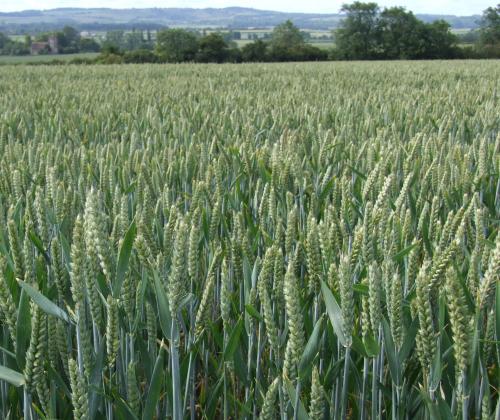
Throughout the last year, field trials of GM and GE crops have continued at Rothamsted despite the various lockdowns and other restrictions that have hampered progress elsewhere.
Rather than ask if genome editing leads to unintended genetic consequences, it’s better to ask if it leads to more changes, and the answer to that is no.
Starting a business can be high risk-high reward, and the ups and downs make it both exciting and challenging. No two days are the same and you never really know what is round the next corner.
A major international study has found that severe drought across the world’s wheat‑growing regions strongly drives global wheat prices with future climate warming threatening to make these drought‑price shocks far more frequent and far more extreme.
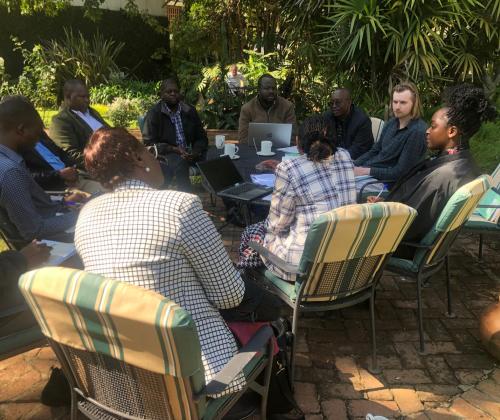
Researchers from the UK and Zimbabwe have come together in Harare to launch a new project that will explore how historical approaches to land evaluation continue to shape agriculture today and how indigenous knowledge can help support climate adaptation
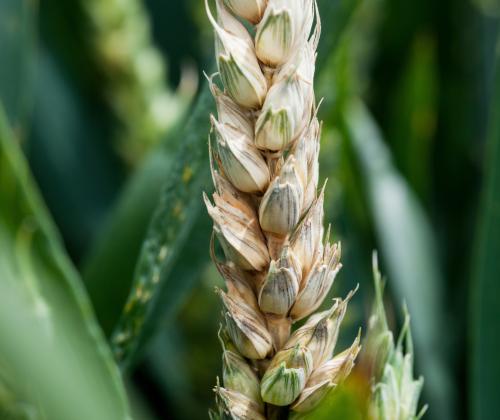
Research published in Scientific Reports demonstrates that environmental bacteria can be screened for antifungal compounds that suppress the devastating wheat pathogen Zymoseptoria tritici, causative agent of Septoria tritici blotch.
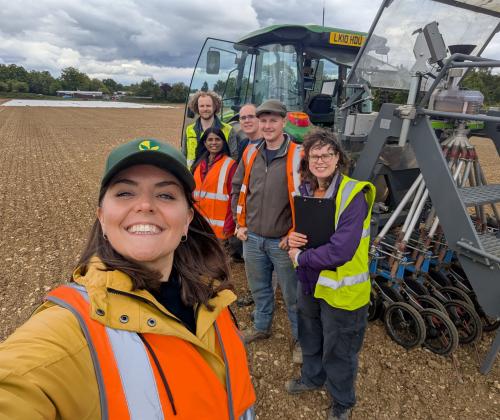
Rothamsted Research has drilled the first crop in the UK to receive a Precision Bred Organism (PBO) Release Notice, marking a significant milestone for field-based gene editing under the UK’s new regulatory framework.
Scientists have developed new 3D-printed tools and in planta methods to study how bacteria travel along fungal networks in microbial partnerships that could influence crop disease, soil health and sustainable agriculture.
A new study from Rothamsted Research highlights the environmental trade-offs of converting grassland into arable farmland, showing significant reductions in soil macronutrients and increased nutrient pollution.
A crop biotechnology venture originating from Rothamsted Research and University of Oxford has secured £2.5 million in strategic investment from The Mosaic Company to accelerate development of a new class of precision crop biostimulants.