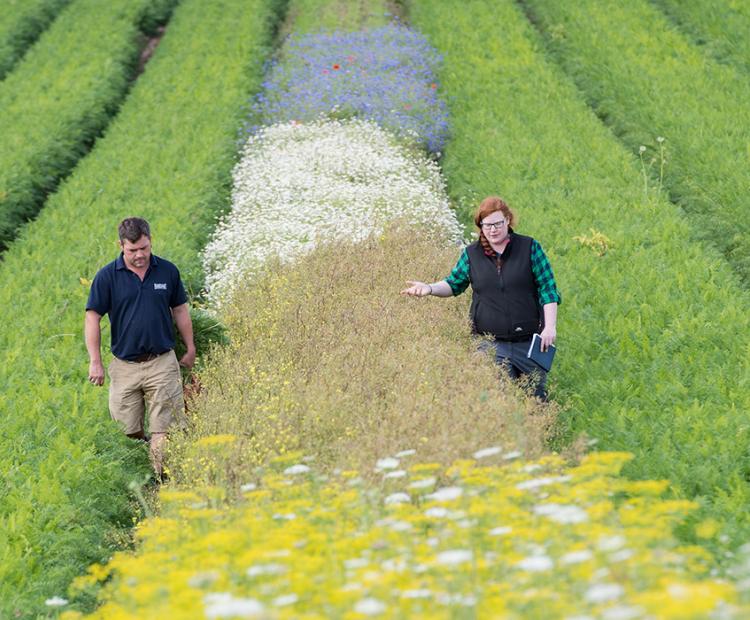
The big picture: using wildflower strips for pest control
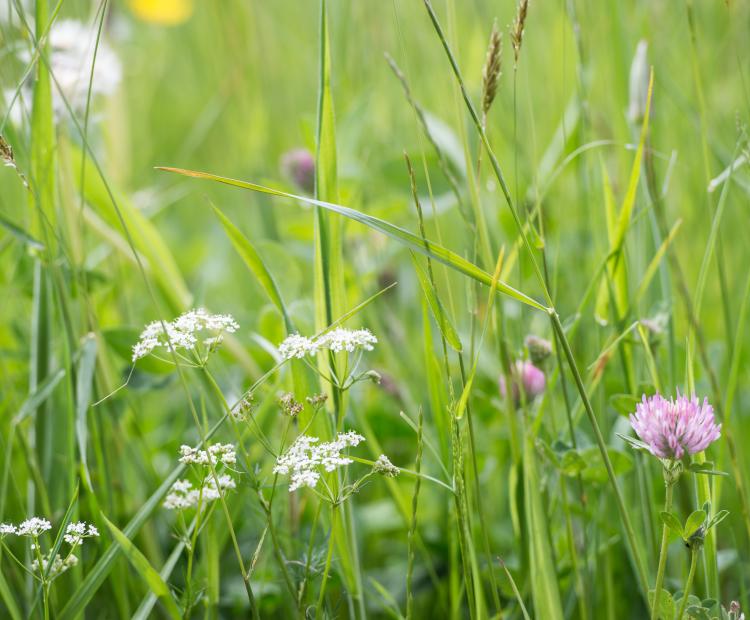
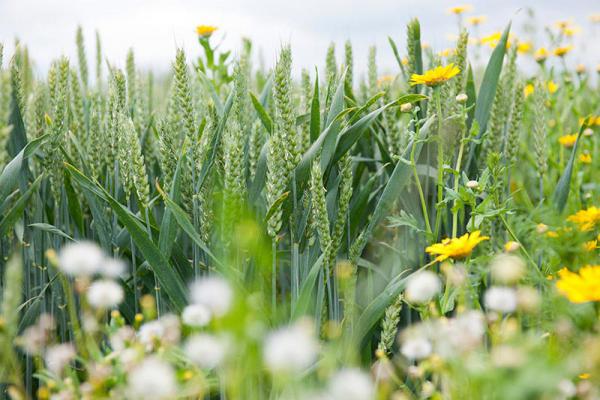
They may be beautiful, but these strips prove pretty deadly for every farmer's mortal enemy: aphids
Our institute is dedicated to building a sustainable, resilient, and healthy future for agriculture by delivering world‑leading research that spans from lab, to field, to farm. Our research helps make food healthier — whether by adding beneficial nutrients, removing harmful compounds, or finding new ways to produce essential ingredients. We also work to ensure everyone can access good‑quality food by improving staple crops and supporting farming in challenging environments. At the same time, we’re helping agriculture adapt to climate change by developing nature‑friendly ways to grow food, reducing reliance on chemicals, and preparing crops and farming systems for the pressures ahead. Our goal is simple: better food, better farming, and a better future for all.
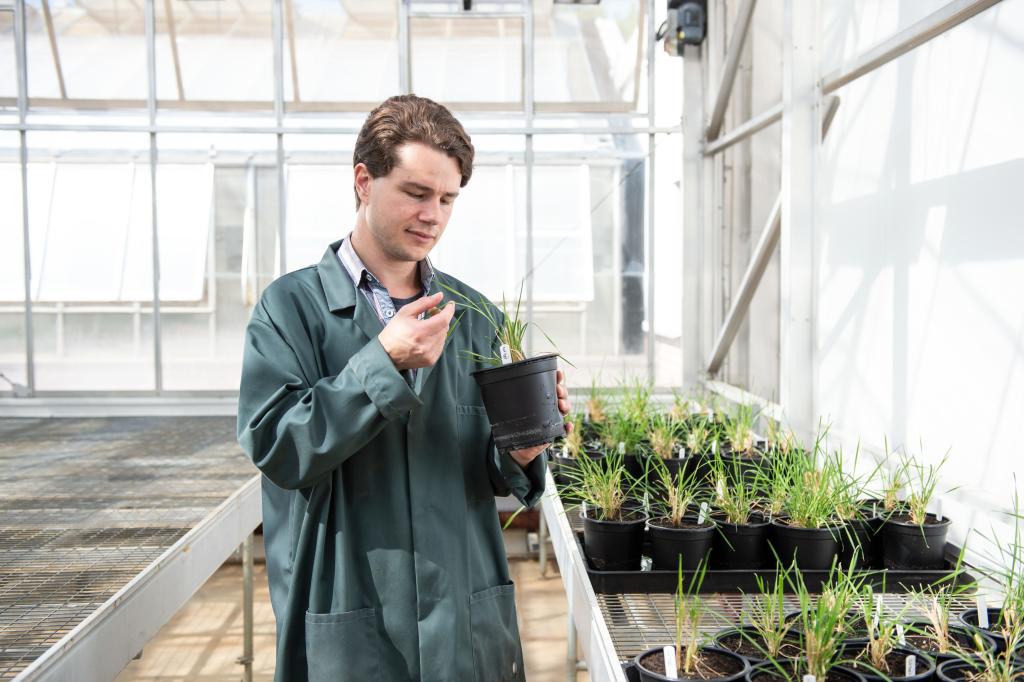
Rothamsted’s science brings together advanced genetics, bio-innovation, whole‑farm monitoring, and data‑driven innovation to create healthier, more resilient crops, improve disease detection, and reduce agriculture’s environmental footprint. Our researchers are finding ways to help farming adapt to climate change, protect natural resources, and cut greenhouse gas emissions, while staying productive and profitable. Through the Rothamsted Integrated Farm Platforms, scientists study real‑world agriculture at whole‑farm scale, using sensors and detailed management records to track everything from soil carbon and biodiversity to livestock health, nutrient flows, water quality, and crop performance. Together, this work provides the evidence farmers and policymakers need to build sustainable, climate‑resilient food systems for a growing global population.
Rothamsted’s research delivers real‑world benefits for farming and food production, from improving soil health and crop resilience to advancing sustainable, climate‑ready farming systems. Every year our scientists publish world‑leading research, develop new technologies, and work with partners across the globe to tackle major challenges like food security, environmental protection, and climate change. Our long history of agricultural innovation - from pyrethroid insecticides to the push‑pull system - continues today as we strengthen the pathways that turn scientific discovery into practical tools and improved practices for farmers and the agri‑food sector.
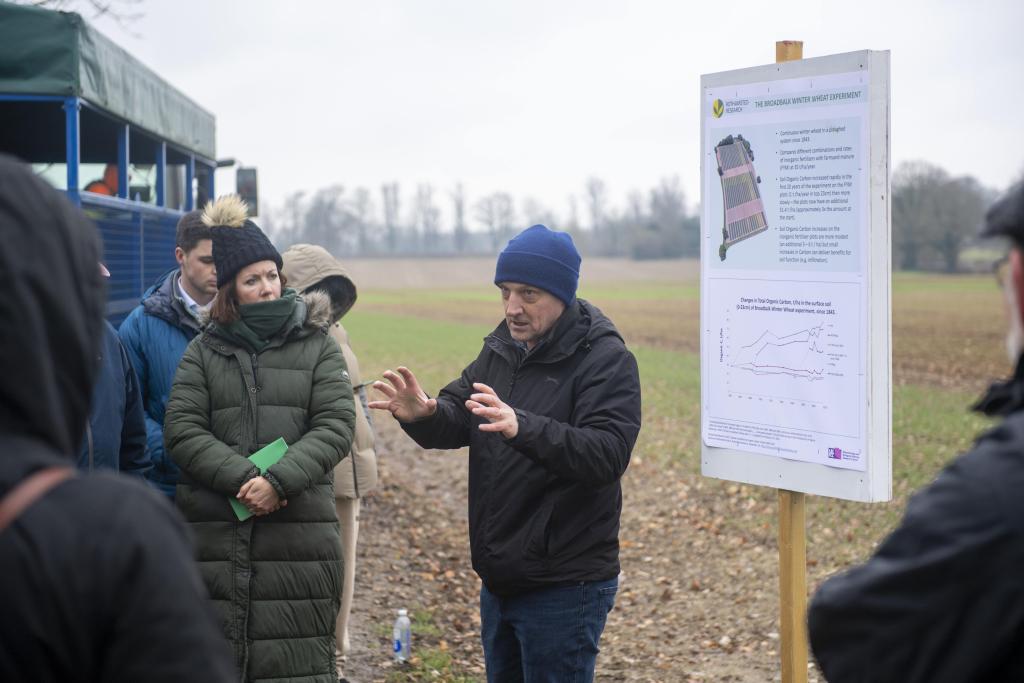
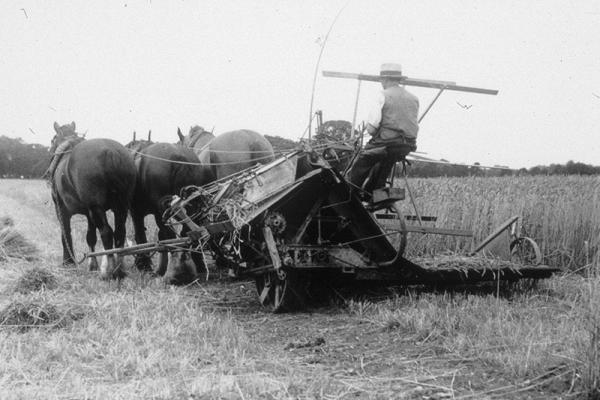
Rothamsted Research is the oldest continually operating agricultural research station in the world. Its foundation dates from 1843 when John Bennet Lawes, the owner of the Rothamsted estate, appointed the chemist Joseph Henry Gilbert as his scientific collaborator. Find out more about our fascinating history.