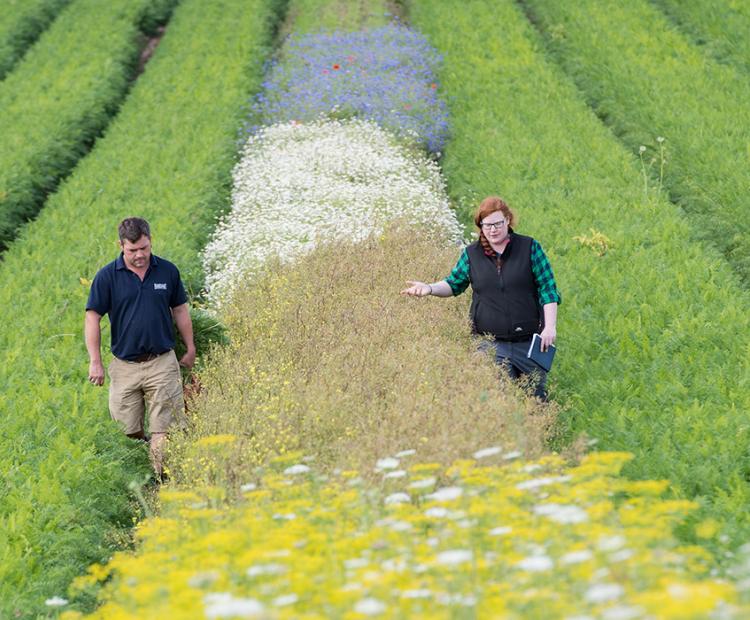
The big picture: using wildflower strips for pest control
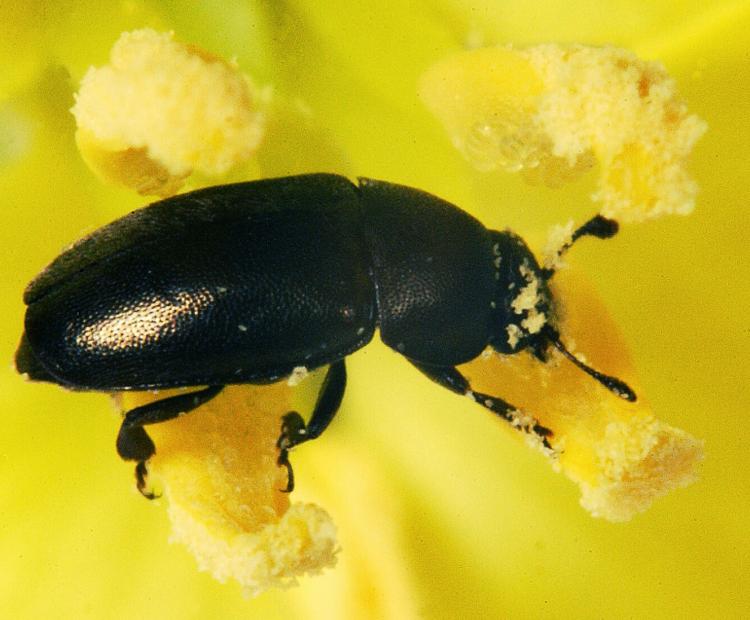
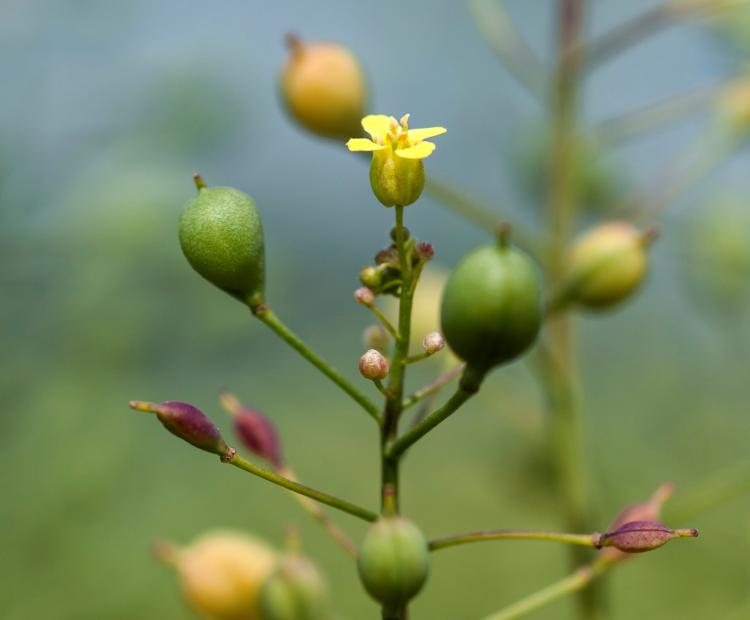
They may be beautiful, but these strips prove pretty deadly for every farmer's mortal enemy: aphids
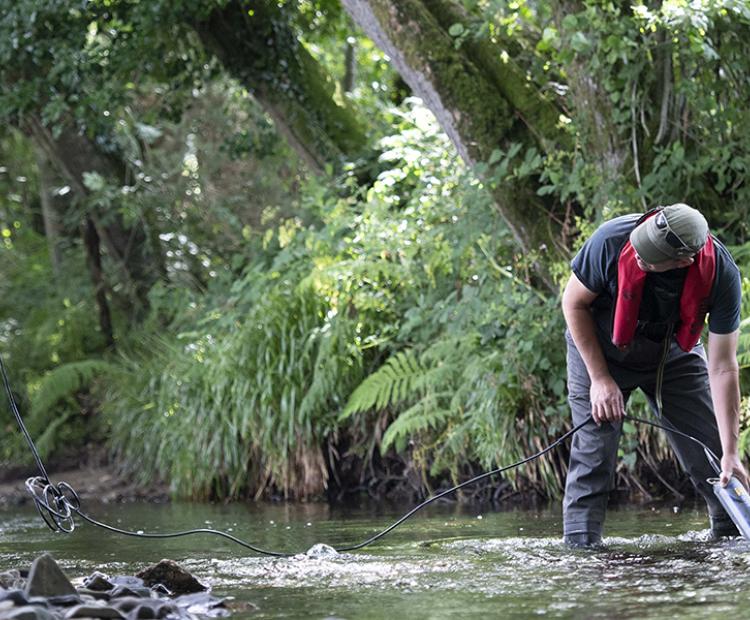
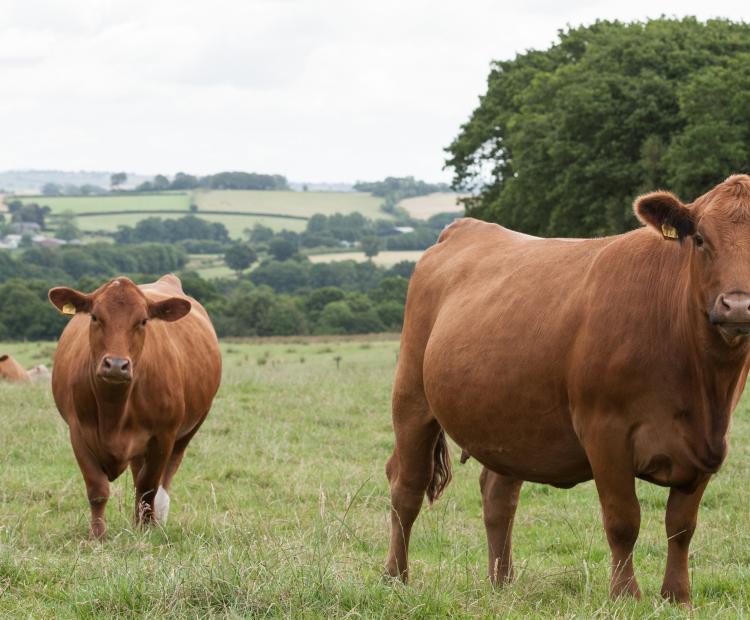
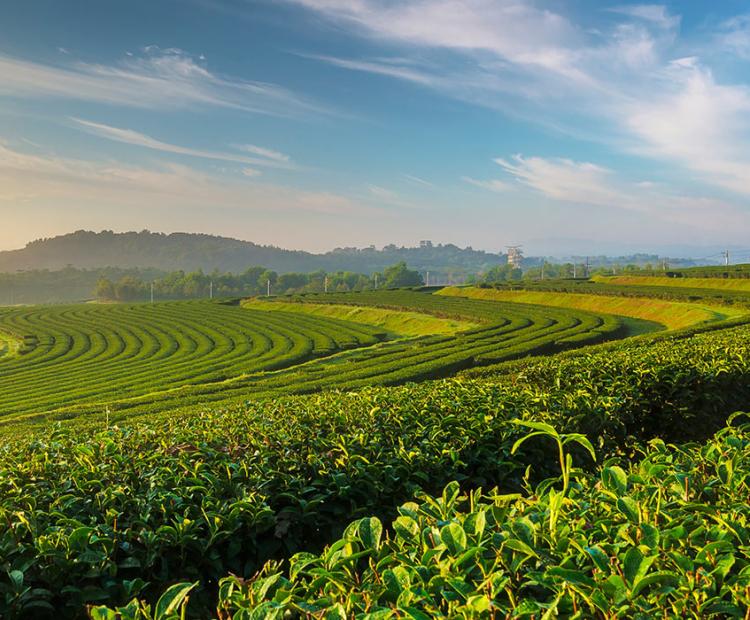
Using long-term, field scale data from the Rothamsted North Wyke Farm Platform (a National Bioscience Research Infrastructure for the UK) in Devon, researchers compared three farming systems: permanent pasture, improved grassland comprising a grass/clover mix, and land converted from grass to arable cropping. Dr Yafei Guo from Rothamsted commented “Many studies examining the impacts of land use conversion rely on plot scale data, meaning that field scale data more representative of real farm conditions are rare. Equally, many studies only focus on single outcomes rather than examining multiple outcomes simultaneously. The North Wyke Farm Platform provides a heavily instrumented unique platform to address these gaps.”
The study found that converting grassland to arable cropping caused immediate and substantial declines in soil quality. Soil organic matter dropped by 45%, while soil carbon and nitrogen both fell by 41%, and phosphorus declined by 61%. These changes indicate rapid depletion of key macro-nutrients essential for long-term soil fertility.
At the same time, pollution emissions to water increased. After conversion, concentrations of nitrogen species and carbon in runoff increased significantly, with nitrogen species losses rising by 200–300 times.
The research also examined carbon dioxide exchange between the farmed land and the atmosphere. While all systems showed seasonal variations, permanent pasture consistently acted as a stronger carbon sink than the other systems and the differences among the three systems were not statistically significant.
In comparison with the arable conversion treatment, grass-based systems maintained more stable soil conditions and nutrient levels. Permanent pasture, in particular, retained higher levels of soil carbon, nitrogen, and phosphorus, and showed more consistent emissions to water.
Dr. Laura Cardenas from Rothamsted commented, “The multiyear datasets from the North Wyke Farm Platform are an incredibly valuable resource to really understand agricultural systems and their potential for increasing food productivity without further environmental damage. Additionally, they help us to separate the influence of climate and farming activities on the natural ecosystem.”
Professor Adie Collins, Science Director at Rothamsted Research added, “These findings highlight the need to carefully balance food production with the protection of our natural resources, and the environmental risks associated with converting grassland to arable production to feed a growing global population.”

Science Director

Atmospheric Chemist

Post-Doctoral Research Scientist
Rothamsted Research is the longest-running agricultural research institute in the world. We work from gene to field with a proud history of ground-breaking
discoveries in areas as diverse as crop management, statistical interpretation and soil health. Our founders, in 1843, were the pioneers of modern
agriculture, and we are known for our imaginative science and our collaborative approach to developing innovative farm practice.
Through independent research, we make significant contributions to improving agri-food systems in the UK and internationally, with
economic impact estimated to exceed £3 bn in annual contribution to the UK economy. Our strength lies in our systems approach, which combines strategic research,
interdisciplinary teams and multiple partnerships.
Rothamsted is home to three unique National Bioscience Research Infrastructures which are open to researchers from all over the world:
The Long-Term Experiments,
Rothamsted Insect Survey and the
North Wyke Farm Platform.
We are strategically funded by the Biotechnology and Biological Sciences Research Council (BBSRC), with additional support from other national and
international funding streams, and from industry. We are also supported by the Lawes Agricultural Trust (LAT).
The Biotechnology and Biological Sciences Research Council is part of UK Research and Innovation, a non-departmental public body funded by a grant-in-aid
from the UK government.
BBSRC invests to push back the frontiers of biology and deliver a healthy, prosperous and sustainable future. Through our investments, we build and support a vibrant,
dynamic and inclusive community which delivers ground-breaking discoveries and develops bio-based solutions that contribute to tackling global challenges,
such as sustainable food production, climate change, and healthy ageing.
As part of UK Research and Innovation (UKRI), we not only play a pivotal role in fostering connections that enable the UK’s world-class research and innovation system
to flourish – we also have a responsibility to enable the creation of a research culture that is diverse, resilient, and engaged.
BBSRC proudly forges interdisciplinary collaborations where excellent bioscience has a fundamental role. We pioneer approaches that enhance the equality, diversity,
and inclusion of talent by investing in people, infrastructure, technologies, and partnerships on a global scale.
The Lawes Agricultural Trust, established in 1889 by Sir John Bennet Lawes, supports Rothamsted Research’s national and international agricultural science through the provision of land, facilities and funding. LAT, a charitable trust, owns the estates at Harpenden and Broom's Barn, including many of the buildings used by Rothamsted Research. LAT provides an annual research grant to the Director, accommodation for nearly 200 people, and support for fellowships for young scientists from developing countries. LAT also makes capital grants to help modernise facilities at Rothamsted, or invests in new buildings.