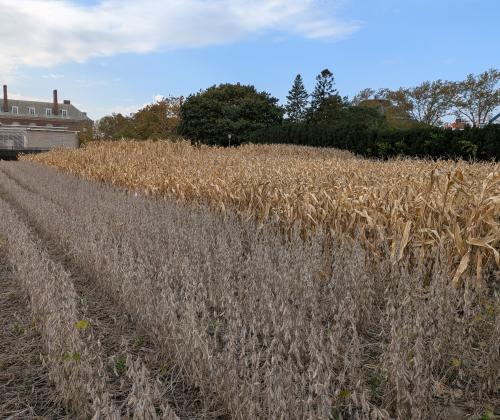
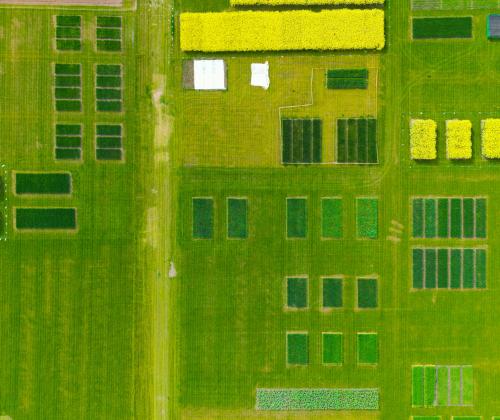
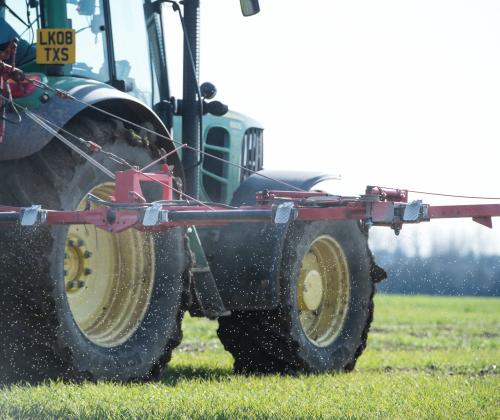
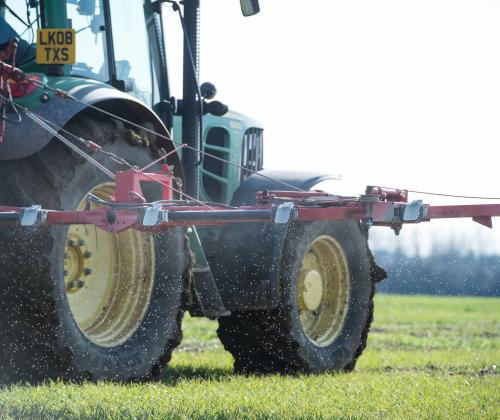
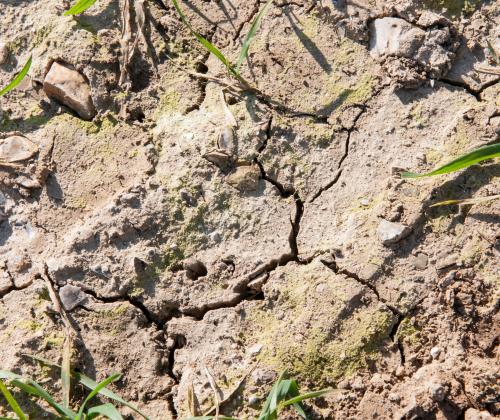
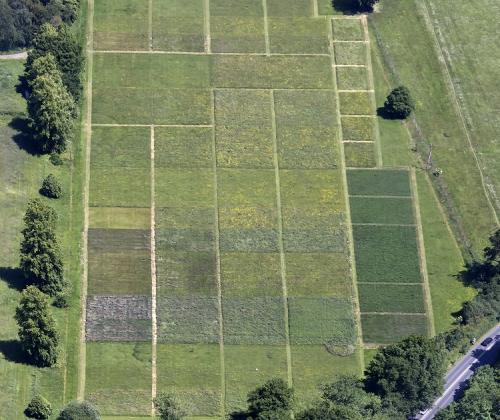
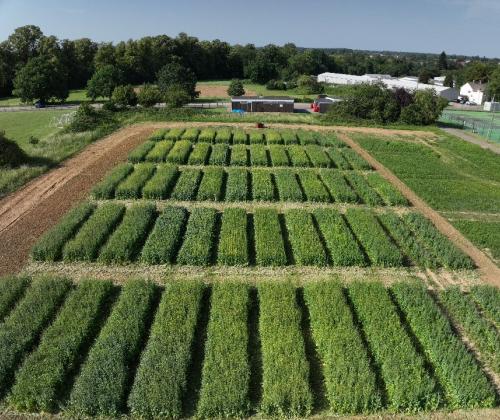
Throughout the last year, field trials of GM and GE crops have continued at Rothamsted despite the various lockdowns and other restrictions that have hampered progress elsewhere.
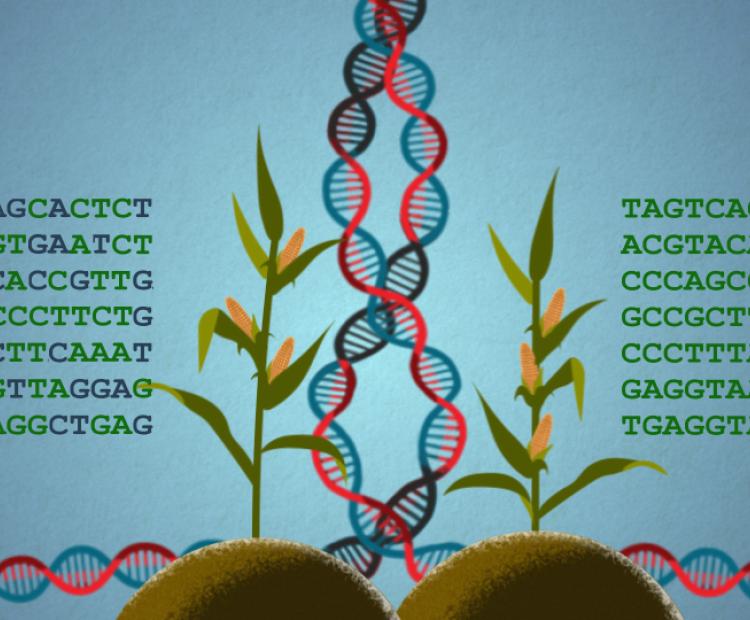
Rather than ask if genome editing leads to unintended genetic consequences, it’s better to ask if it leads to more changes, and the answer to that is no.
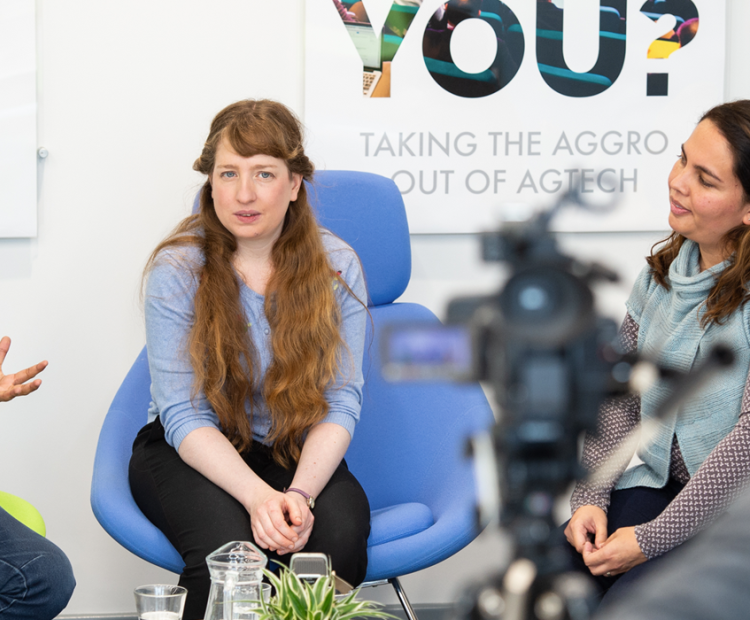
Starting a business can be high risk-high reward, and the ups and downs make it both exciting and challenging. No two days are the same and you never really know what is round the next corner.
A suite of interactive decision-support tools have been developed to help policymakers, catchment managers and researchers explore how nitrogen management strategies can be improved to reduce environmental impacts.
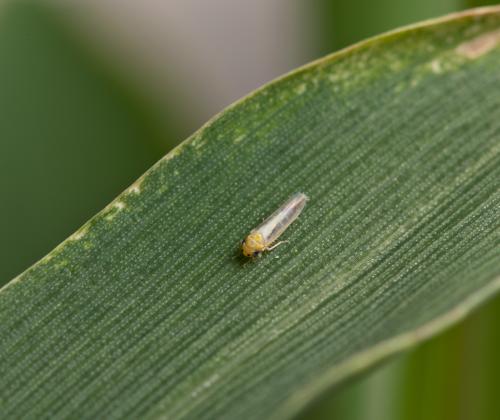
Rothamsted Research is contributing its expertise in plant health, agricultural systems and crop resilience to a major new UK research initiative aimed at helping farmers and growers prepare for emerging insect-vectored bacterial diseases.
Rothamsted Research joined recent celebrations marking the 150th anniversary of the oldest continuously running long-term experiment (LTE) in the United States.
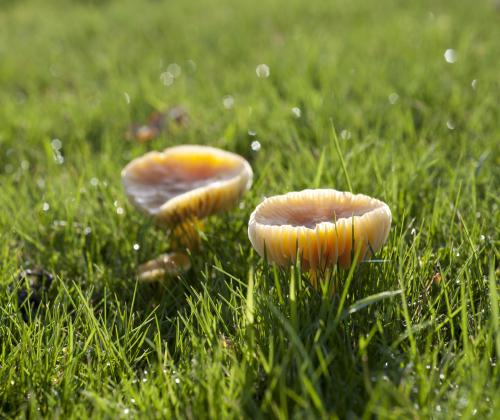
A new review has revealed that despite rapid growth in fungal genome sequencing over the past three decades, most of the fungal kingdom remains genomically unexplored, leaving critical blind spots for agriculture, ecology, biotechnology, disease research.
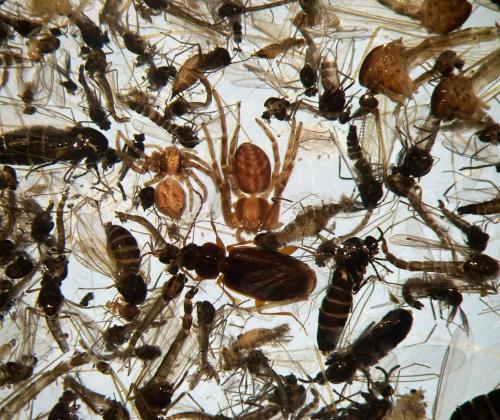
A 30-year study of more than 600,000 previously unidentified insects and spiders has revealed that many of Britain’s overlooked "Cinderella species" are holding steady or increasing in number.
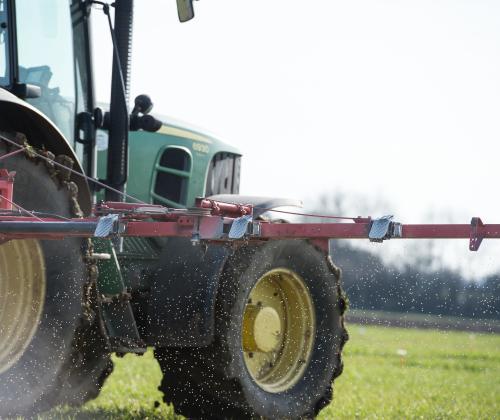
New research from Rothamsted has identified the potential for improved nitrogen management to reduce energy-related carbon emissions from farms across England, but also points to the opportunity for technologies such as green ammonia to contribute more.
A major international study has found that severe drought across the world’s wheat‑growing regions strongly drives global wheat prices with future climate warming threatening to make these drought‑price shocks far more frequent and far more extreme.
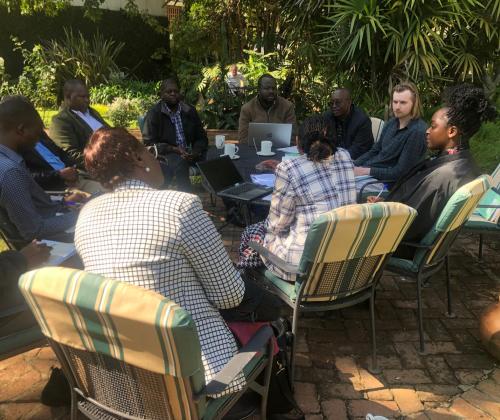
Researchers from the UK and Zimbabwe have come together in Harare to launch a new project that will explore how historical approaches to land evaluation continue to shape agriculture today and how indigenous knowledge can help support climate adaptation