The big picture: using wildflower strips for pest control
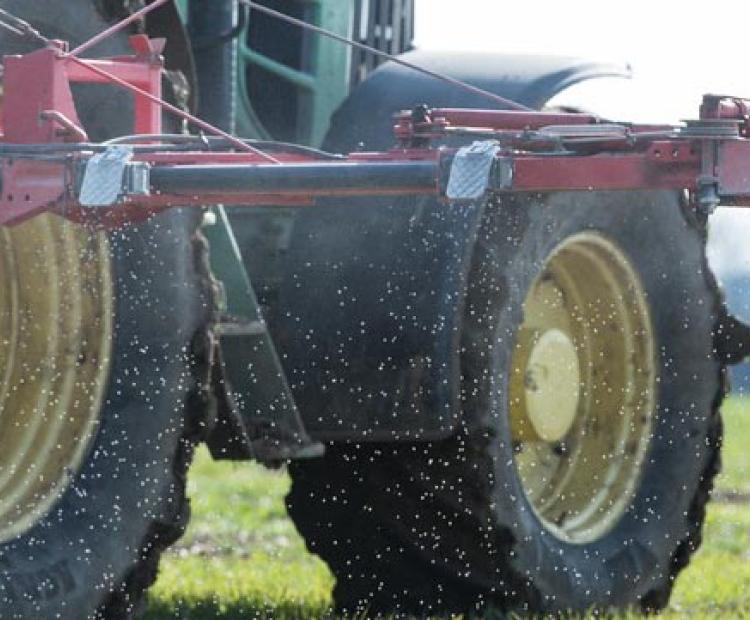
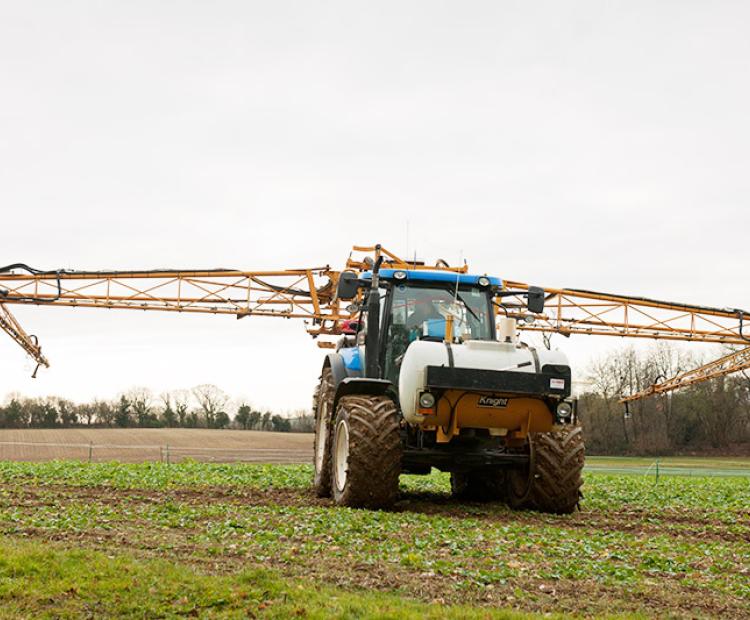
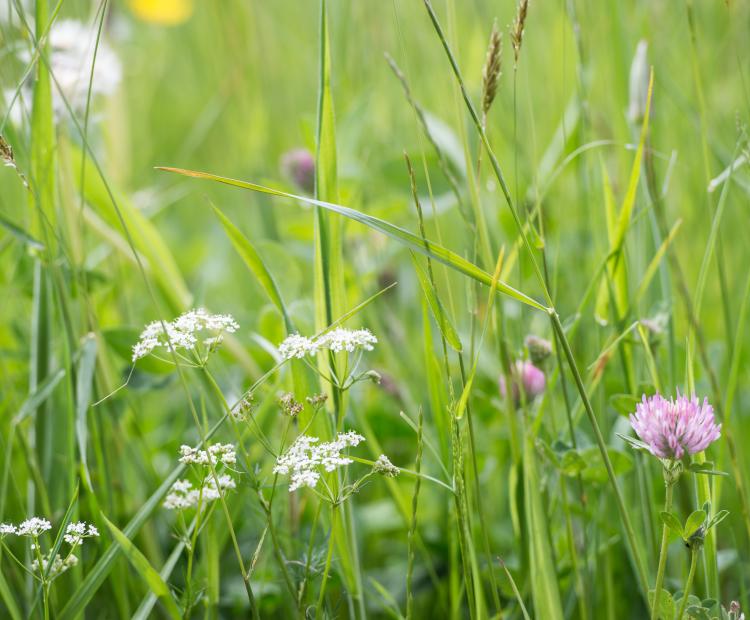
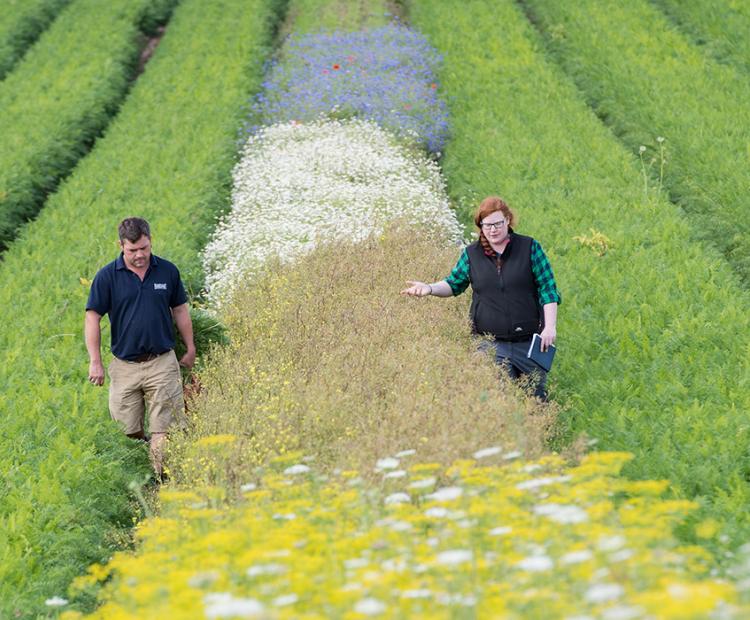
They may be beautiful, but these strips prove pretty deadly for every farmer's mortal enemy: aphids
Rothamsted Research has drilled the first crop in the UK to receive a Precision Bred Organism (PBO) Release Notice, marking a significant milestone for field-based gene editing under the UK’s new regulatory framework.
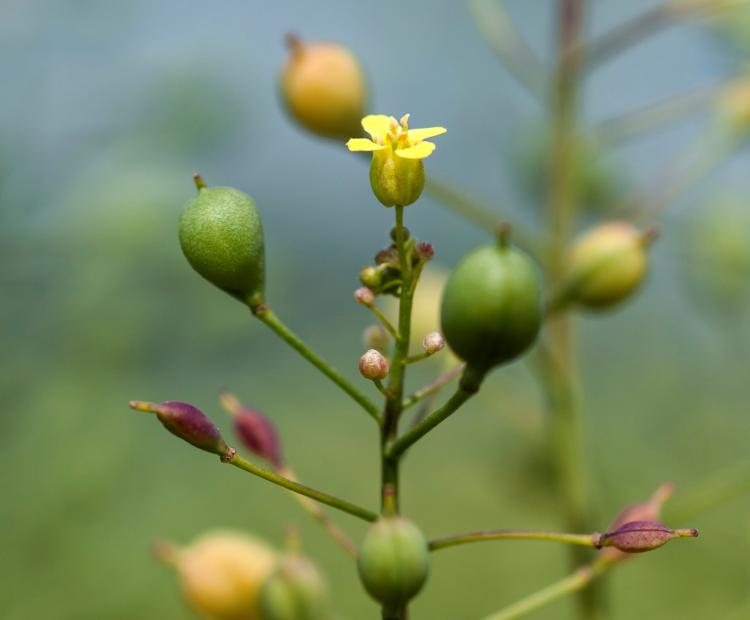
The trial focuses on Camelina sativa, an emerging oilseed crop, to explore how gene editing can increase seed size and improve overall yield and oil content.
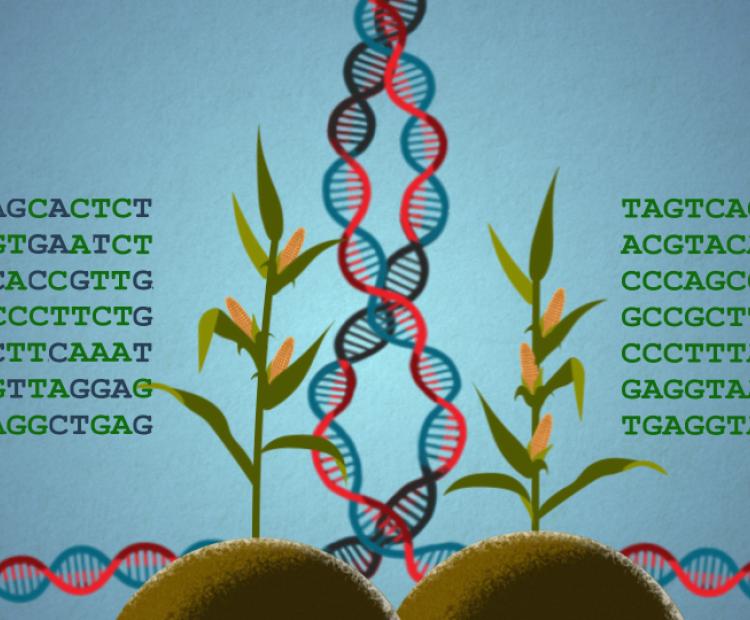
Scientists used CRISPR-Cas9 to introduce various changes in genes that regulate seed size. By targeting genes controlling cell division in the outer layers of the ovule—the structure from which seeds develop—the team aims to produce larger ovules that give rise to larger seeds. The impact of these changes on seed size, yield and oil content will be assessed during this year’s field trial.
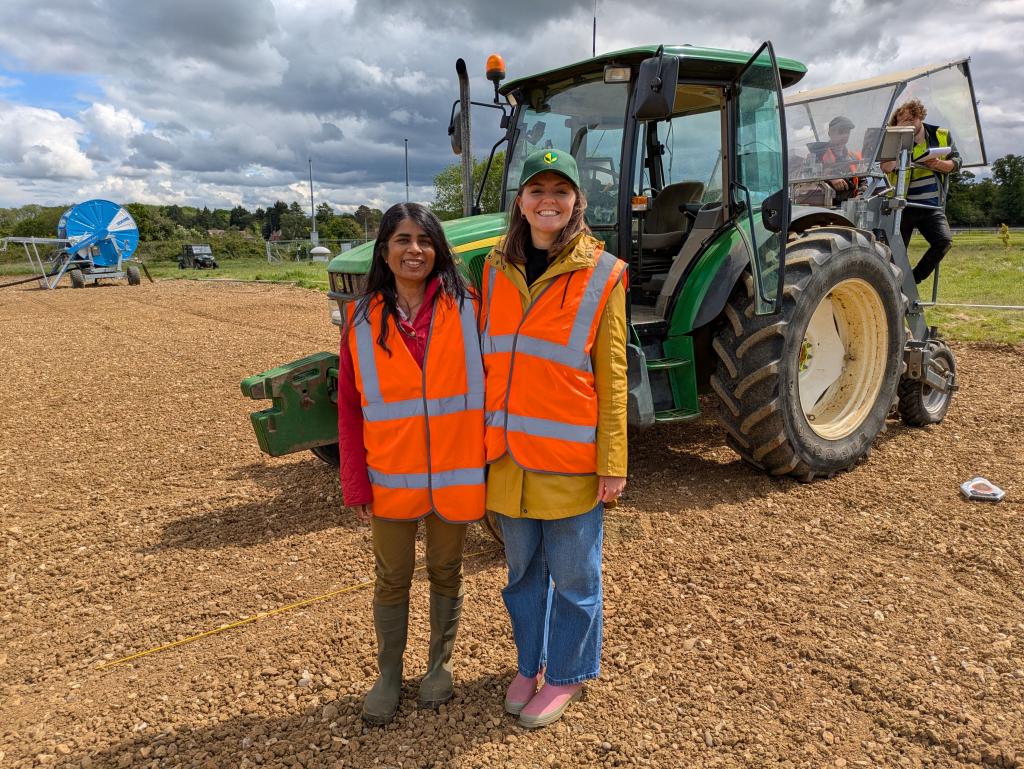
Dr Smita Kurup, research group leader at Rothamsted Research, said “Gene editing allows us to precisely target traits like seed size that directly influence yield. This trial is an important step towards developing higher-yielding, more sustainable oilseed crops.”
The genetic changes introduced consist of a range of deletions and insertions that could have occurred naturally or through conventional breeding. As such, they fall within the scope of the UK’s new PBO Regulations.
This is the first release notice to be registered under the Genetic Technology (Precision Breeding) Act 2023 and the Genetic Technology (Precision Breeding) Regulations 2025 and is being conducted as a proof-of-concept research trial.
Camelina belongs to the Brassicaceae family, which includes oilseed rape (Brassica napus), a key crop for UK agriculture and vegetable oil production. This research raises the potential to translate gene-editing approaches from camelina into oilseed rape to enhance yields for UK farmers.
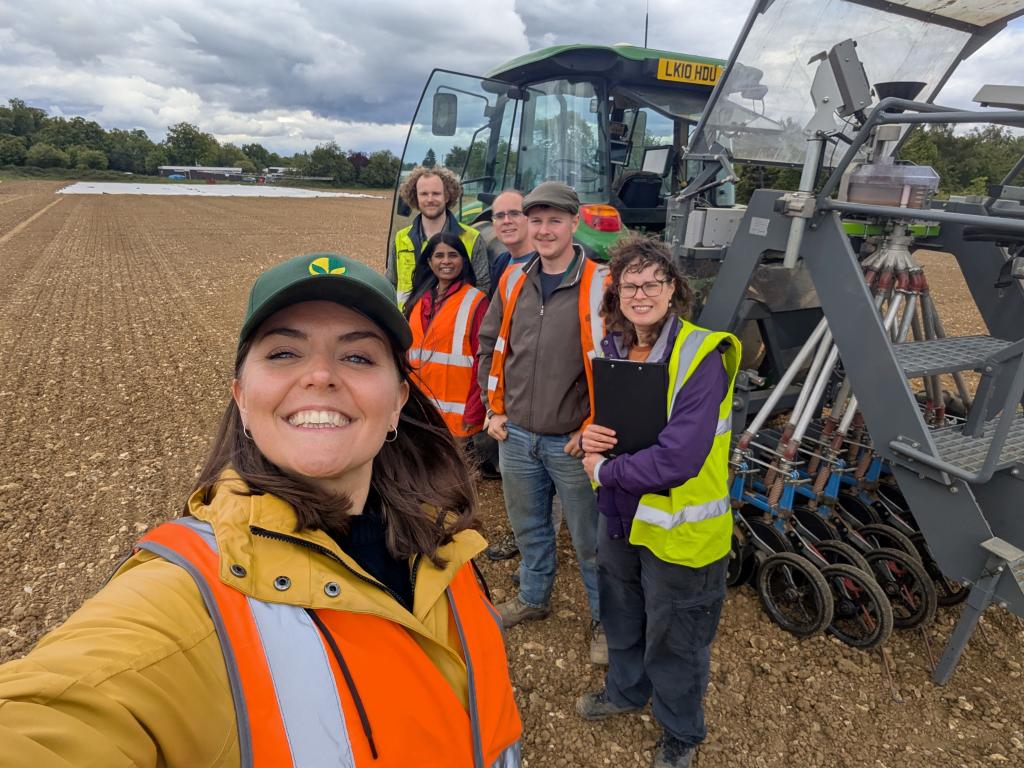
Dr Mollie Langdon, who is leading the field trial at Rothamsted Research, said “It is an exciting time to be working on gene editing and to explore its potential benefits for UK agriculture. Field trials like this allow us to better understand how these innovations could support farmers and growers in the future.”

Post-doctoral Research Scientist

Crop Resource Use and Quality Team Leader
Rothamsted Research is the longest-running agricultural research institute in the world. We work from gene to field with a proud history of ground-breaking
discoveries in areas as diverse as crop management, statistical interpretation and soil health. Our founders, in 1843, were the pioneers of modern
agriculture, and we are known for our imaginative science and our collaborative approach to developing innovative farm practice.
Through independent research, we make significant contributions to improving agri-food systems in the UK and internationally, with
economic impact estimated to exceed £3 bn in annual contribution to the UK economy. Our strength lies in our systems approach, which combines strategic research,
interdisciplinary teams and multiple partnerships.
Rothamsted is home to three unique National Bioscience Research Infrastructures which are open to researchers from all over the world:
The Long-Term Experiments,
Rothamsted Insect Survey and the
North Wyke Farm Platform.
We are strategically funded by the Biotechnology and Biological Sciences Research Council (BBSRC), with additional support from other national and
international funding streams, and from industry. We are also supported by the Lawes Agricultural Trust (LAT).
The Biotechnology and Biological Sciences Research Council is part of UK Research and Innovation, a non-departmental public body funded by a grant-in-aid
from the UK government.
BBSRC invests to push back the frontiers of biology and deliver a healthy, prosperous and sustainable future. Through our investments, we build and support a vibrant,
dynamic and inclusive community which delivers ground-breaking discoveries and develops bio-based solutions that contribute to tackling global challenges,
such as sustainable food production, climate change, and healthy ageing.
As part of UK Research and Innovation (UKRI), we not only play a pivotal role in fostering connections that enable the UK’s world-class research and innovation system
to flourish – we also have a responsibility to enable the creation of a research culture that is diverse, resilient, and engaged.
BBSRC proudly forges interdisciplinary collaborations where excellent bioscience has a fundamental role. We pioneer approaches that enhance the equality, diversity,
and inclusion of talent by investing in people, infrastructure, technologies, and partnerships on a global scale.
The Lawes Agricultural Trust, established in 1889 by Sir John Bennet Lawes, supports Rothamsted Research’s national and international agricultural science through the provision of land, facilities and funding. LAT, a charitable trust, owns the estates at Harpenden and Broom's Barn, including many of the buildings used by Rothamsted Research. LAT provides an annual research grant to the Director, accommodation for nearly 200 people, and support for fellowships for young scientists from developing countries. LAT also makes capital grants to help modernise facilities at Rothamsted, or invests in new buildings.