The big picture: using wildflower strips for pest control
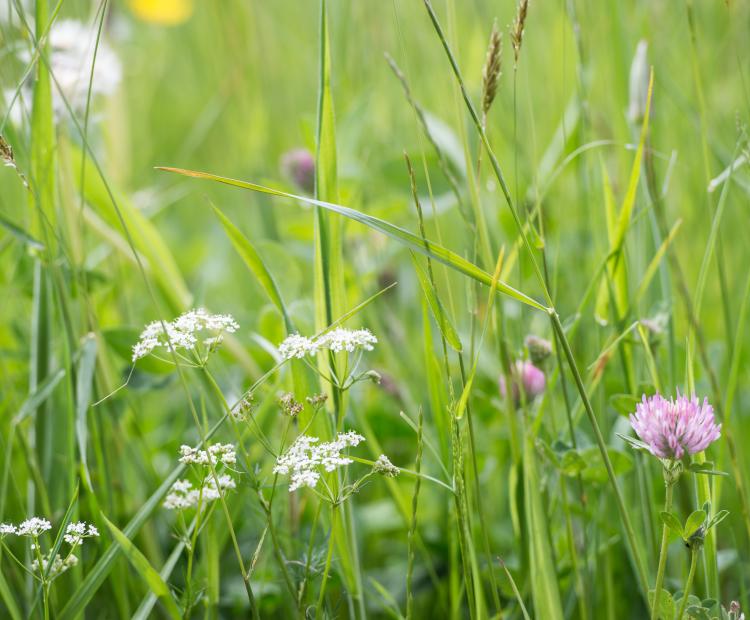
They may be beautiful, but these strips prove pretty deadly for every farmer's mortal enemy: aphids
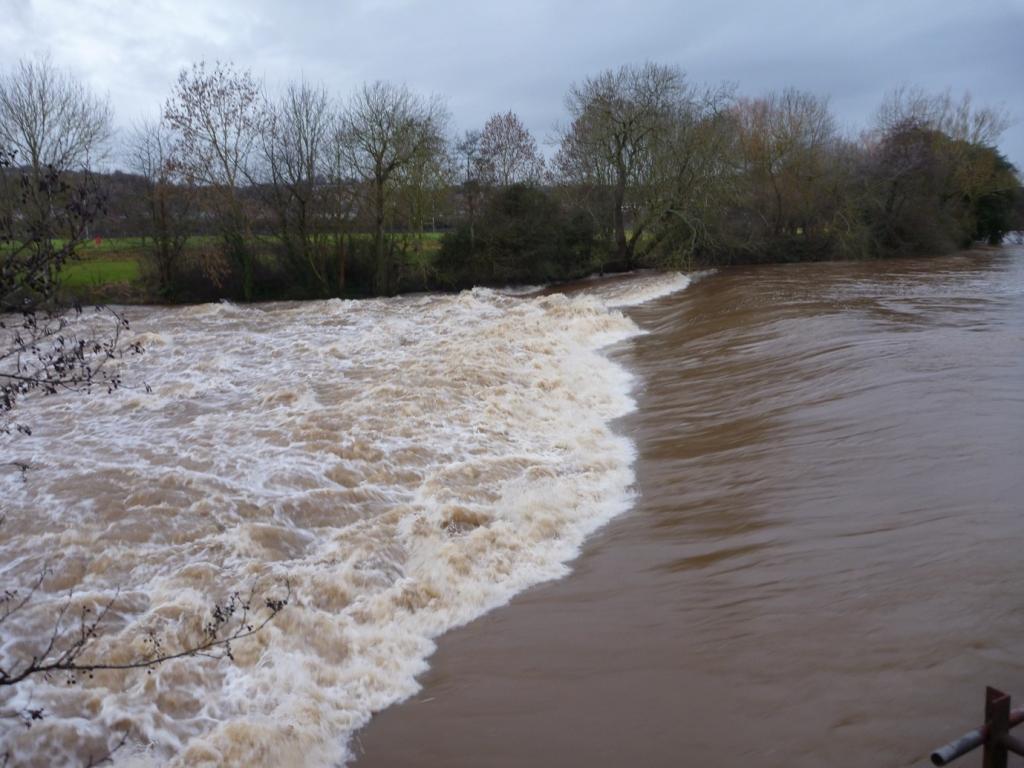
With increasingly wet winters and more frequent extreme weather, sediment loss from farmland into rivers and streams has become a growing challenge. This sediment carries valuable topsoil and nutrients, while also transporting contaminants and degrading aquatic habitats. Ultimately, resulting in increased water treatment costs and risk of muddy flooding in downstream communities.
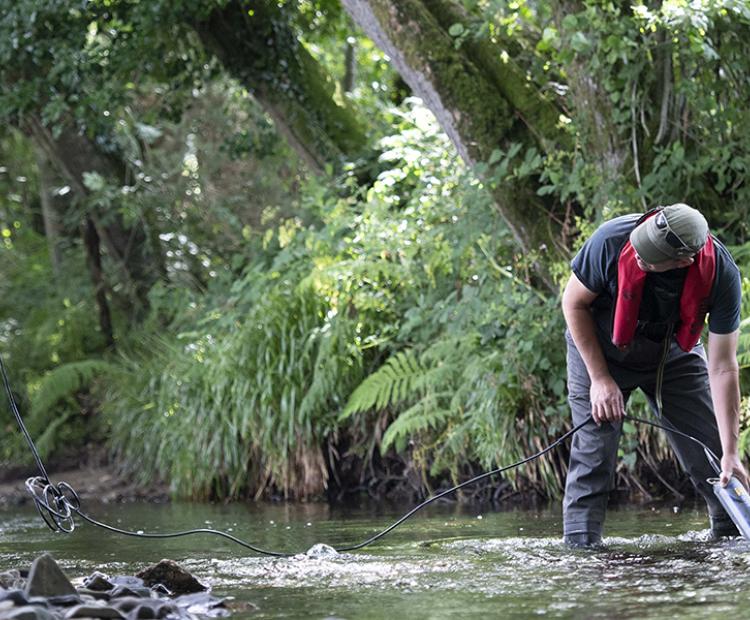
Researchers at Rothamsted have been investigating a range of forensic “fingerprinting” techniques to identify where this sediment originates and how much each source contributes. These techniques include geochemical tracers, radionuclides, mineral magnetism, and stable isotopes. While effective, such methods are often costly and require specialist expertise, limiting their wider use by government agencies and other stakeholders.
To address this Rothamsted scientists worked in long-term collaboration with England’s Catchment Sensitive Farming initiative, an advice-led initiative enabling action by farmers to reduce agricultural pollution and mitigate flood risk. This work was focused on developing a low-cost, yet robust, forensics method to facilitate catchment management. Their research identified colour-based signatures as a reliable alternative, using a standard office scanner and simple software to analyse sediment samples. The method enables the source of the sediment to be identified using straightforward visual analysis, removing the need for complex modelling and expensive laboratory equipment.
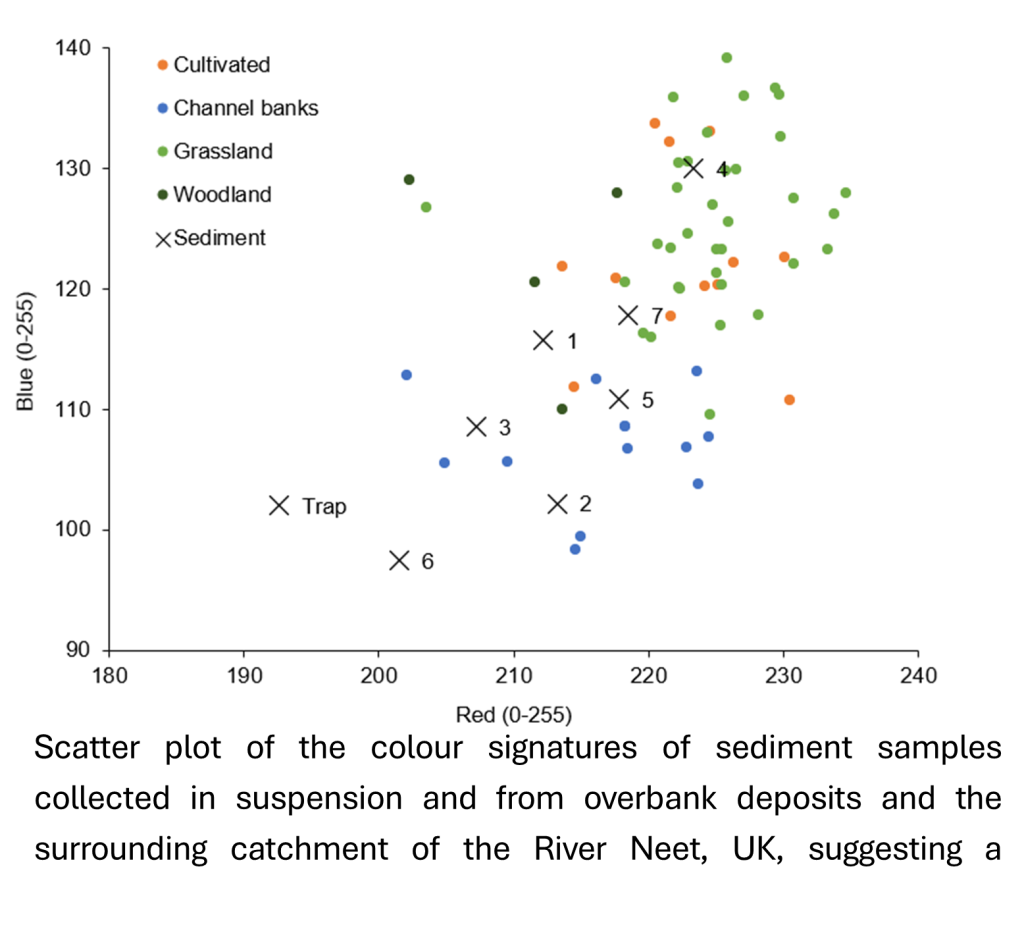
Following successful trials across multiple catchments, the Environment Agency has launched an onboarding programme, funded by DEFRA and the Environment Agency, to bring the colour-based method in-house as part of their monitoring. This onboarding was successfully piloted in South West England in 2025-26 and will help inform the national-scale rollout of this method over the coming months.
Dr Jessica Durkota of the Environment Agency commented:
“Since 2016, we have worked with Rothamsted Research on sediment fingerprinting to identify pollution sources across England. These insights have helped us target mitigation measures that improve water quality, reduce flood risk, and support biodiversity. The novel rapid-assessment method developed by Rothamsted also enables citizen scientists to contribute meaningful data to these important investigations.”
Professor Adie Collins, Science Director at Rothamsted Research, said:
“This work provides an excellent showcase of how our science is generating robust methods that can be adopted by both national agencies and citizen scientists. By improving how we monitor sediment loss, we strengthen the evidence base needed to manage the increasing pressures on our landscapes during wetter winters.
Through our Resilient Farming Futures programme (funded by UKRI-BBSRC) and working with the Environmental Farmers Group, we are working with farmer networks to adopt this low-cost approach, including supporting on-farm laboratories. This will enable long-term monitoring and help farmers target management practices more effectively.”
The adoption of this method represents a shift towards more scalable, inclusive environmental monitoring—supporting both policy delivery and grassroots action to safeguard soils, water, and ecosystems.

Science Director

Scientific Technician - Hydrology
Rothamsted Research is the longest-running agricultural research institute in the world. We work from gene to field with a proud history of ground-breaking
discoveries in areas as diverse as crop management, statistical interpretation and soil health. Our founders, in 1843, were the pioneers of modern
agriculture, and we are known for our imaginative science and our collaborative approach to developing innovative farm practice.
Through independent research, we make significant contributions to improving agri-food systems in the UK and internationally, with
economic impact estimated to exceed £3 bn in annual contribution to the UK economy. Our strength lies in our systems approach, which combines strategic research,
interdisciplinary teams and multiple partnerships.
Rothamsted is home to three unique National Bioscience Research Infrastructures which are open to researchers from all over the world:
The Long-Term Experiments,
Rothamsted Insect Survey and the
North Wyke Farm Platform.
We are strategically funded by the Biotechnology and Biological Sciences Research Council (BBSRC), with additional support from other national and
international funding streams, and from industry. We are also supported by the Lawes Agricultural Trust (LAT).
The Biotechnology and Biological Sciences Research Council is part of UK Research and Innovation, a non-departmental public body funded by a grant-in-aid
from the UK government.
BBSRC invests to push back the frontiers of biology and deliver a healthy, prosperous and sustainable future. Through our investments, we build and support a vibrant,
dynamic and inclusive community which delivers ground-breaking discoveries and develops bio-based solutions that contribute to tackling global challenges,
such as sustainable food production, climate change, and healthy ageing.
As part of UK Research and Innovation (UKRI), we not only play a pivotal role in fostering connections that enable the UK’s world-class research and innovation system
to flourish – we also have a responsibility to enable the creation of a research culture that is diverse, resilient, and engaged.
BBSRC proudly forges interdisciplinary collaborations where excellent bioscience has a fundamental role. We pioneer approaches that enhance the equality, diversity,
and inclusion of talent by investing in people, infrastructure, technologies, and partnerships on a global scale.
The Lawes Agricultural Trust, established in 1889 by Sir John Bennet Lawes, supports Rothamsted Research’s national and international agricultural science through the provision of land, facilities and funding. LAT, a charitable trust, owns the estates at Harpenden and Broom's Barn, including many of the buildings used by Rothamsted Research. LAT provides an annual research grant to the Director, accommodation for nearly 200 people, and support for fellowships for young scientists from developing countries. LAT also makes capital grants to help modernise facilities at Rothamsted, or invests in new buildings.