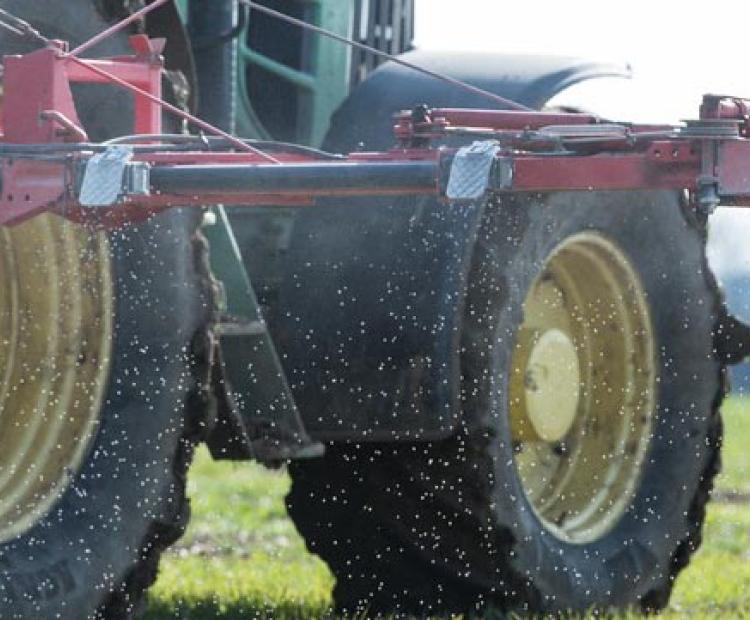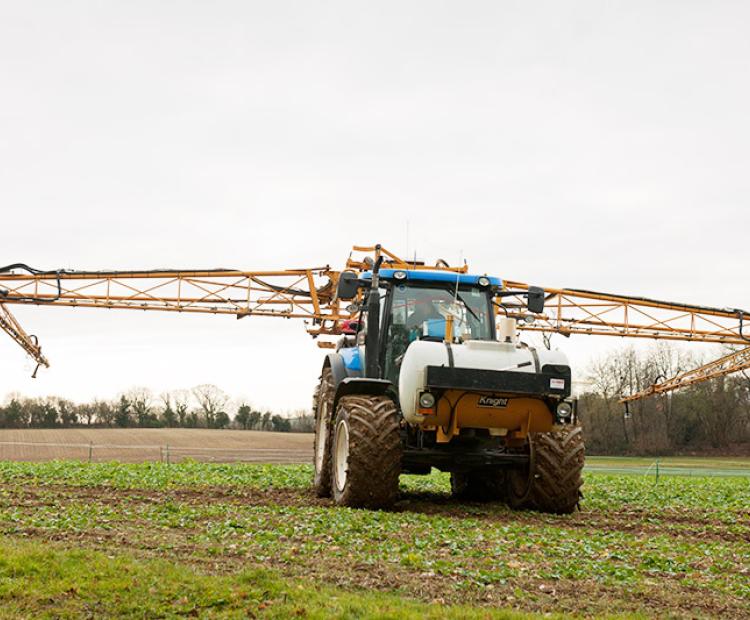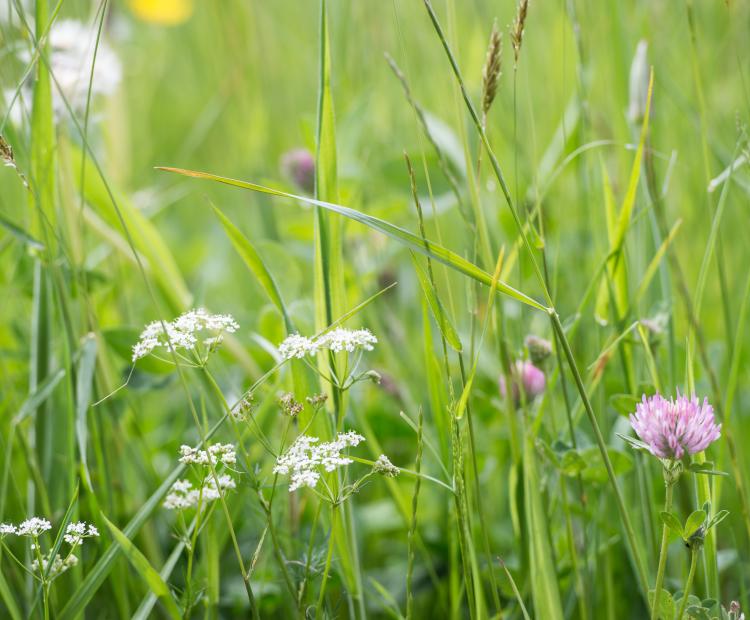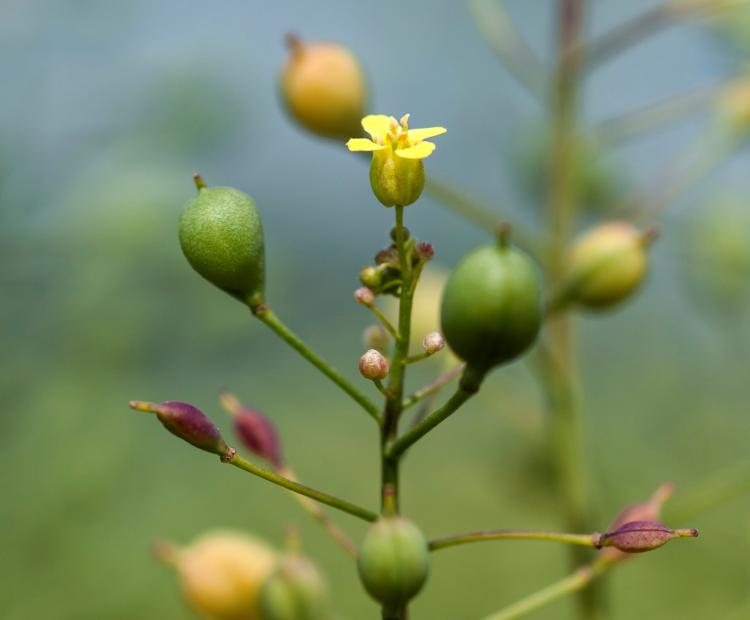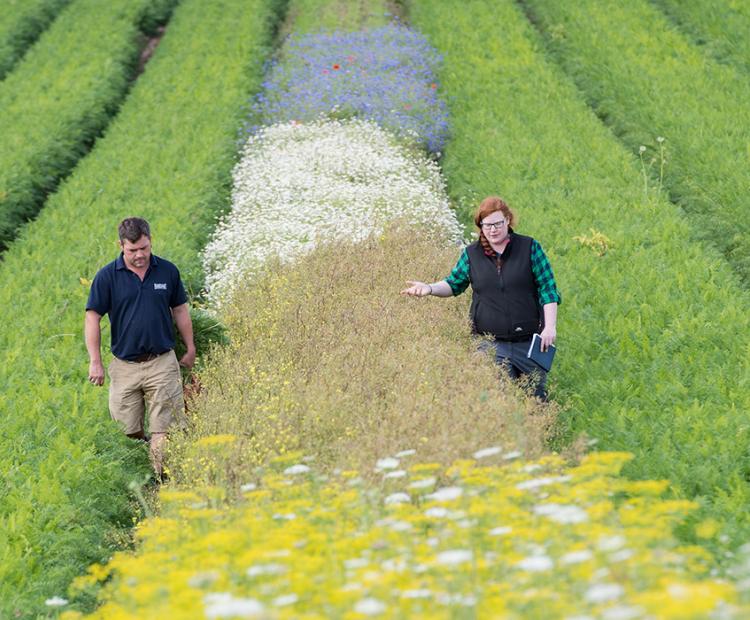
The big picture: using wildflower strips for pest control
They may be beautiful, but these strips prove pretty deadly for every farmer's mortal enemy: aphids
England’s farms have reduced their environmental footprint over the past decade, according to new modelling that suggests greenhouse gas emissions and other forms of pollution are on a downward trend.
The study, which assessed intensive farming systems between 2010 and 2021 over 72,000 km² of farmland, found median reductions of 18% in both short- and long-term global warming potential, alongside a 21% drop in acidification potential. Eutrophication potential — representing the nutrient run-off that can pollute rivers and lakes — fell by 13%.
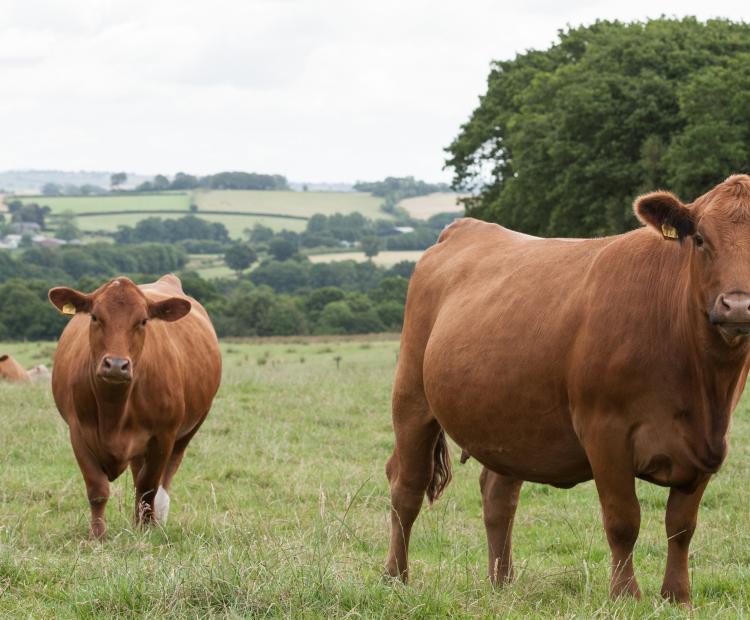
The changes reflect temporal changes in the structure of English agriculture. The area of land devoted to general cropping rose by nearly 4%, while land used for dairy contracted by 2%. Registered cattle numbers fell sharply, down by 12% by 2021 compared with 2010 levels.
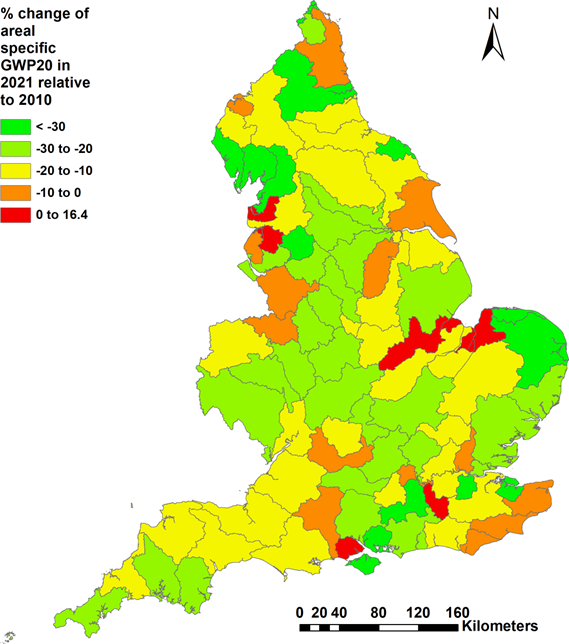
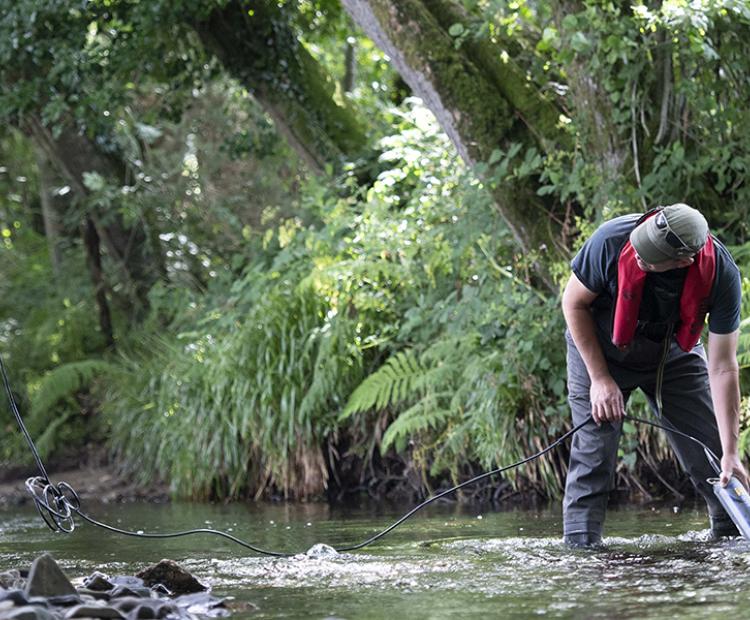
However, the improvements in the footprints are uneven. While some water management catchments recorded reductions of up to 76% in certain environmental indicators, others saw little progress, with less than 5% improvement.
There were some significant changes between 2016 to 2021 for some crops and land use, including an increase for rotational grass, spring barley, peas and beans, and fodder crops and a significant decrease in the area under permanent grass. There were also more minority crops being introduced as the area of land used for the ‘Other crops’ category expanded dramatically. There was also evidence for increased specialisation and intensification as, relatively speaking, more arable crops were in cereal farms, more cattle on dairy farms and more sheep and lambs on lowland grazing farms by 2021.
The findings underline both the potential and the limitations of current farming practices in meeting climate and environmental targets. The Rothamsted team caution that it remains difficult to link modelled trends directly with on-the-ground monitoring data and stress the need for regular strategic assessments integrating modelling and monitoring to inform national agricultural policy.
With climate change, energy insecurity and resource depletion creating mounting pressures on food systems, the authors argue that policy makers must combine regulation, stacked financial incentives and better co-ordinated strategic practical advice to help farmers and land managers continue to cut their environmental impacts.
“Farming is indispensable to feeding a growing population, but it must also become more sustainable,” according to Dr Yusheng Zhang. “Routine strategic assessment of evolving environmental footprints will be critical to building a climate-resilient and economically viable agricultural industry.”
Science Director and study co-author Professor Adie Collins added, “The findings clearly demonstrate, in the context of the recently released Land Use Framework for England, how structural change in land use and management can drive improvements in environmental performance whilst delivering food production. The Land Use Framework highlights opportunities for farmers to earn from multiple environmental services, strengthening business resilience. This study demonstrates the scale of environmental gains that can be achieved as the sector adapts.”
The study focussed on domestic livestock and did not investigate the externalization of the GHG emissions from meat imported from other countries. A more complete life-cycle analysis is something the researchers say they would like to pursue in future.

Hydrologist

Science Director
Rothamsted Research is the longest-running agricultural research institute in the world. We work from gene to field with a proud history of ground-breaking
discoveries in areas as diverse as crop management, statistical interpretation and soil health. Our founders, in 1843, were the pioneers of modern
agriculture, and we are known for our imaginative science and our collaborative approach to developing innovative farm practice.
Through independent research, we make significant contributions to improving agri-food systems in the UK and internationally, with
economic impact estimated to exceed £3 bn in annual contribution to the UK economy. Our strength lies in our systems approach, which combines strategic research,
interdisciplinary teams and multiple partnerships.
Rothamsted is home to three unique National Bioscience Research Infrastructures which are open to researchers from all over the world:
The Long-Term Experiments,
Rothamsted Insect Survey and the
North Wyke Farm Platform.
We are strategically funded by the Biotechnology and Biological Sciences Research Council (BBSRC), with additional support from other national and
international funding streams, and from industry. We are also supported by the Lawes Agricultural Trust (LAT).
The Biotechnology and Biological Sciences Research Council is part of UK Research and Innovation, a non-departmental public body funded by a grant-in-aid
from the UK government.
BBSRC invests to push back the frontiers of biology and deliver a healthy, prosperous and sustainable future. Through our investments, we build and support a vibrant,
dynamic and inclusive community which delivers ground-breaking discoveries and develops bio-based solutions that contribute to tackling global challenges,
such as sustainable food production, climate change, and healthy ageing.
As part of UK Research and Innovation (UKRI), we not only play a pivotal role in fostering connections that enable the UK’s world-class research and innovation system
to flourish – we also have a responsibility to enable the creation of a research culture that is diverse, resilient, and engaged.
BBSRC proudly forges interdisciplinary collaborations where excellent bioscience has a fundamental role. We pioneer approaches that enhance the equality, diversity,
and inclusion of talent by investing in people, infrastructure, technologies, and partnerships on a global scale.
The Lawes Agricultural Trust, established in 1889 by Sir John Bennet Lawes, supports Rothamsted Research’s national and international agricultural science through the provision of land, facilities and funding. LAT, a charitable trust, owns the estates at Harpenden and Broom's Barn, including many of the buildings used by Rothamsted Research. LAT provides an annual research grant to the Director, accommodation for nearly 200 people, and support for fellowships for young scientists from developing countries. LAT also makes capital grants to help modernise facilities at Rothamsted, or invests in new buildings.