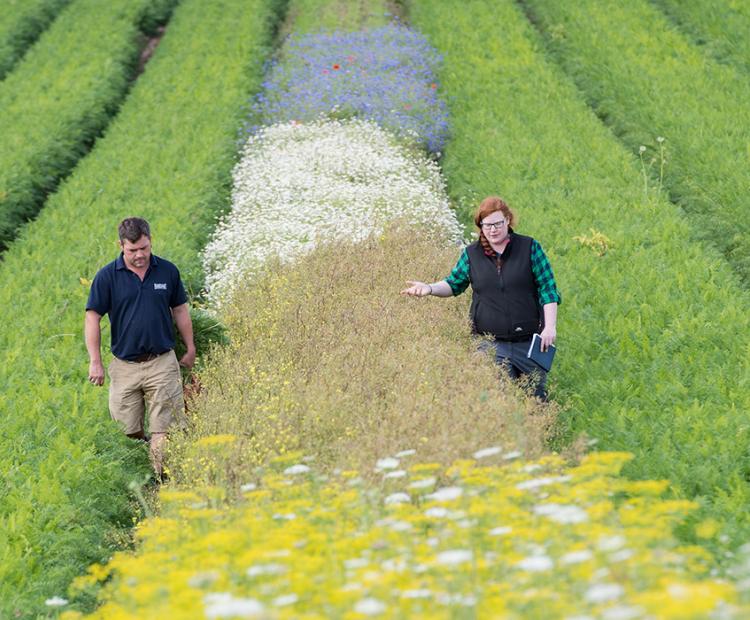
The big picture: using wildflower strips for pest control
They may be beautiful, but these strips prove pretty deadly for every farmer's mortal enemy: aphids
This year marks the 170th anniversary of the Park Grass Experiment at Rothamsted – one of the most influential ecological studies ever undertaken.
.jpeg)
Established in 1856 by Sir John Bennet Lawes and Joseph Henry Gilbert, the experiment was originally designed to answer a practical agricultural question: how do different fertilisers and manures affect the yield of hay from permanent grassland? What began as a study to improve farming has evolved into a globally significant scientific resource, providing an unrivalled record of how ecosystems respond to changes in nutrients, soil chemistry and environmental conditions over nearly two centuries.
As part of the anniversary year, we have undertaken the latest comprehensive survey of the plant species growing across the Park Grass plots – the last one being in 2012. By recording the abundance and composition of plant species under each long-term treatment, researchers can track how grassland communities have changed through time and compare today's vegetation with records stretching back to the nineteenth century.
Over the past 170 years, Park Grass has become an internationally recognised scientific asset. Its findings have helped to shape our scientific understanding of the relationship between soil nutrients, pH and plant diversity, demonstrated how fertiliser use impacts biodiversity, and revealed how grasslands respond to environmental pressures including atmospheric pollution and climate variability. Scientists continue to use the site, and its carefully maintained archive of soils, plants and management records, to support new research using modern analytical techniques that could never have been imagined when the experiment began.
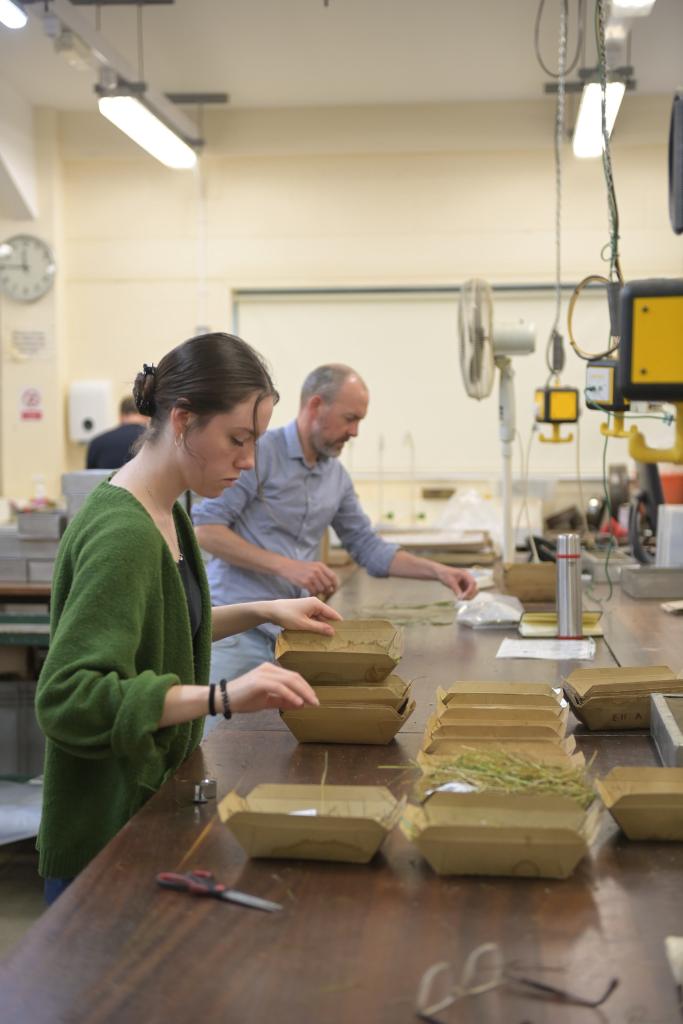
Dr Sarah Perryman, who is a curator of the data from Park Grass, commented:
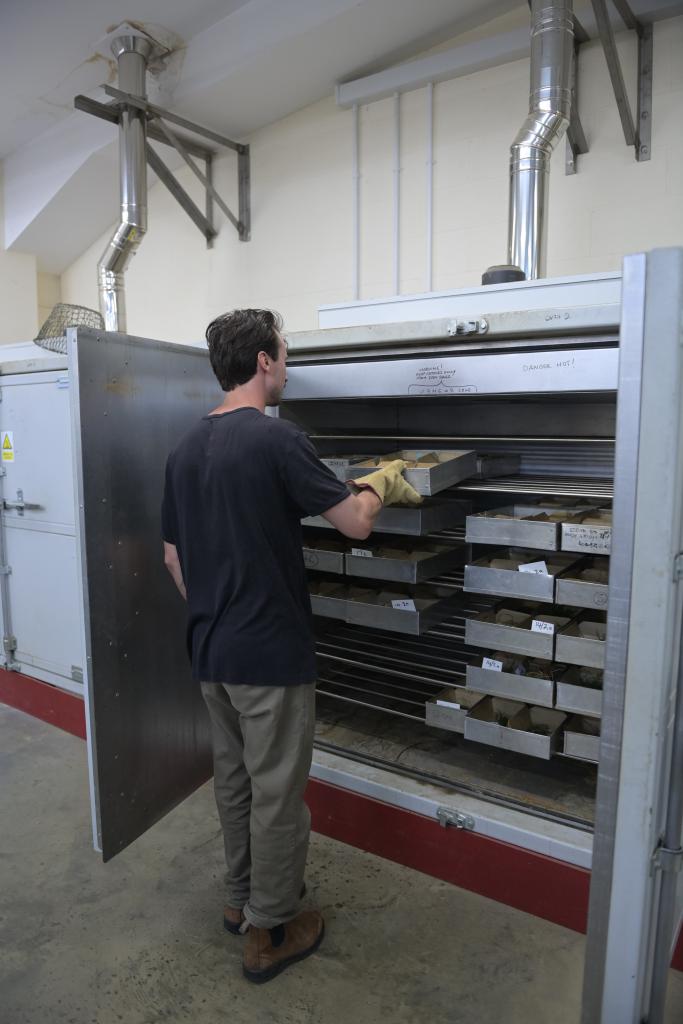
“Park Grass is much more than a field experiment – it's a living record of ecological change. As curator of the Park Grass data, it's been a privilege to help bring together this latest survey adding to the experiment's remarkable historical records. I am currently digitising and preserving the species records collected since the experiment began in 1856, creating an increasingly complete picture of how these grassland communities have changed through time.
Every new survey adds another chapter to a dataset that allows scientists to ask questions across timescales that are almost impossible anywhere else in the world. Combined with this unparalleled long-term record, the latest survey strengthens one of the world's most important ecological datasets and provides an outstanding resource for researchers everywhere.
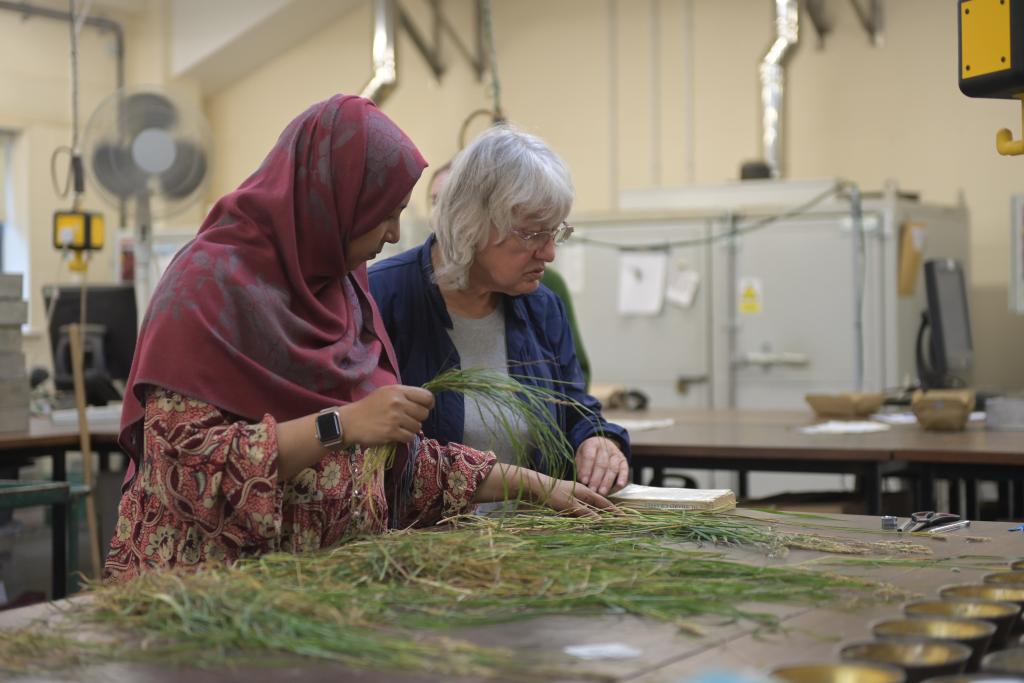
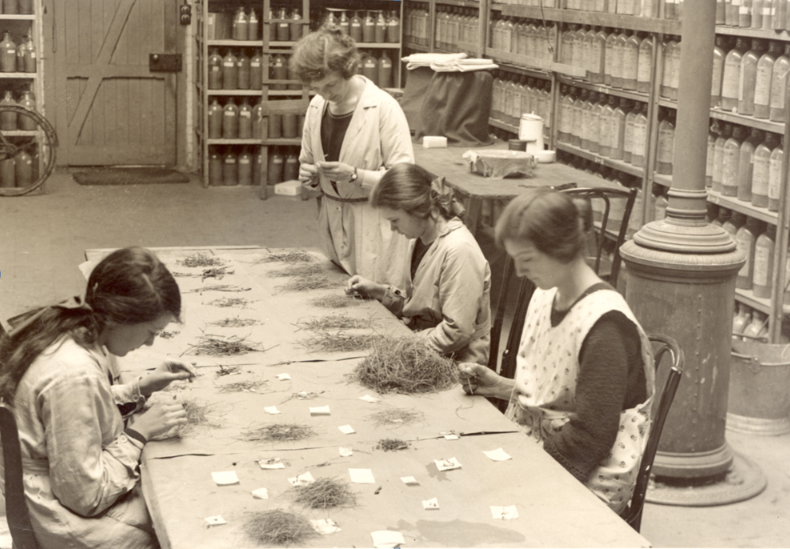
Looking at historic photographs of earlier Park Grass surveys showing botanists carefully sorting plant specimens at Rothamsted, it's remarkable to think that a century later we're continuing the same tradition. I'd like to thank the many volunteers who generously gave their time over the past six weeks to help complete this latest survey. Their enthusiasm, dedication and hard work have played a vital role in continuing one of the world's longest-running ecological records.”
The latest survey will help scientists measure how plant communities continue to respond to changing environmental conditions and provide another important chapter in a dataset that has informed ecological research for generations. Data from the survey will be freely accessible here.
The Park Grass experiment is part of the Rothamsted Long-Term Experiments - National Bioscience Research Infrastructure (RLTE-NBRI), funded by the UK Research and Innovation – Biotechnology and Biological Sciences Research Council (UKRI-BBSRC) under award BBS/E/RH/23NB0007 (2023-2028), and supported by the Lawes Agricultural Trust.

E-RA CURATOR AND PLANT PATHOLOGIST
Rothamsted Research is the longest-running agricultural research institute in the world. We work from gene to field with a proud history of ground-breaking
discoveries in areas as diverse as crop management, statistical interpretation and soil health. Our founders, in 1843, were the pioneers of modern
agriculture, and we are known for our imaginative science and our collaborative approach to developing innovative farm practice.
Through independent research, we make significant contributions to improving agri-food systems in the UK and internationally, with
economic impact estimated to exceed £3 bn in annual contribution to the UK economy. Our strength lies in our systems approach, which combines strategic research,
interdisciplinary teams and multiple partnerships.
Rothamsted is home to three unique National Bioscience Research Infrastructures which are open to researchers from all over the world:
The Long-Term Experiments,
Rothamsted Insect Survey and the
North Wyke Farm Platform.
We are strategically funded by the Biotechnology and Biological Sciences Research Council (BBSRC), with additional support from other national and
international funding streams, and from industry. We are also supported by the Lawes Agricultural Trust (LAT).
The Biotechnology and Biological Sciences Research Council is part of UK Research and Innovation, a non-departmental public body funded by a grant-in-aid
from the UK government.
BBSRC invests to push back the frontiers of biology and deliver a healthy, prosperous and sustainable future. Through our investments, we build and support a vibrant,
dynamic and inclusive community which delivers ground-breaking discoveries and develops bio-based solutions that contribute to tackling global challenges,
such as sustainable food production, climate change, and healthy ageing.
As part of UK Research and Innovation (UKRI), we not only play a pivotal role in fostering connections that enable the UK’s world-class research and innovation system
to flourish – we also have a responsibility to enable the creation of a research culture that is diverse, resilient, and engaged.
BBSRC proudly forges interdisciplinary collaborations where excellent bioscience has a fundamental role. We pioneer approaches that enhance the equality, diversity,
and inclusion of talent by investing in people, infrastructure, technologies, and partnerships on a global scale.
The Lawes Agricultural Trust, established in 1889 by Sir John Bennet Lawes, supports Rothamsted Research’s national and international agricultural science through the provision of land, facilities and funding. LAT, a charitable trust, owns the estates at Harpenden and Broom's Barn, including many of the buildings used by Rothamsted Research. LAT provides an annual research grant to the Director, accommodation for nearly 200 people, and support for fellowships for young scientists from developing countries. LAT also makes capital grants to help modernise facilities at Rothamsted, or invests in new buildings.