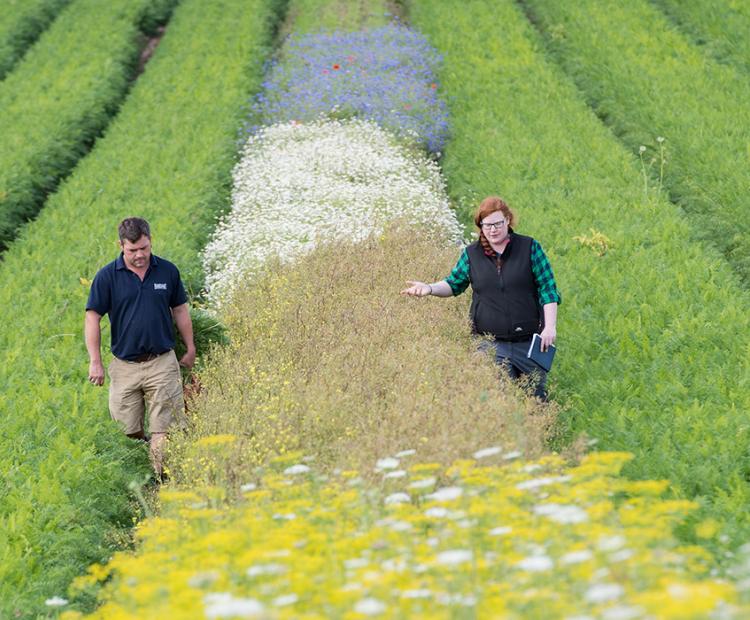
The big picture: using wildflower strips for pest control
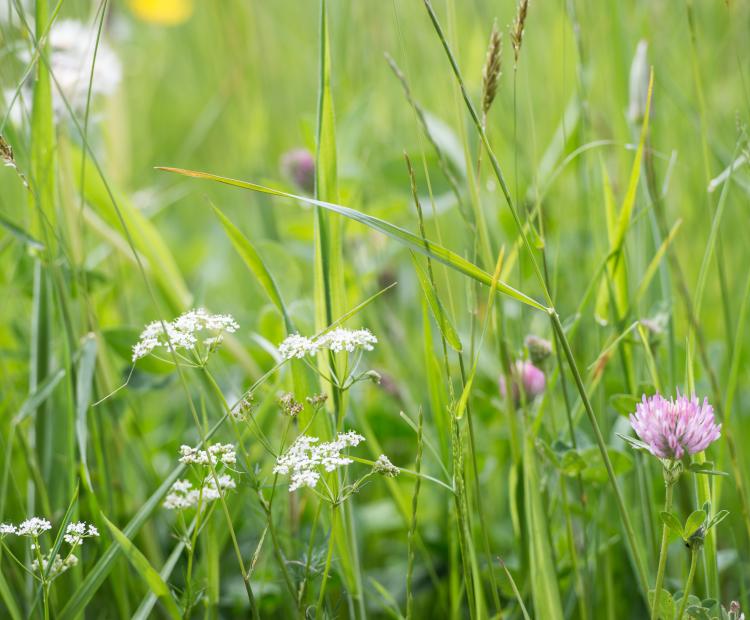
They may be beautiful, but these strips prove pretty deadly for every farmer's mortal enemy: aphids
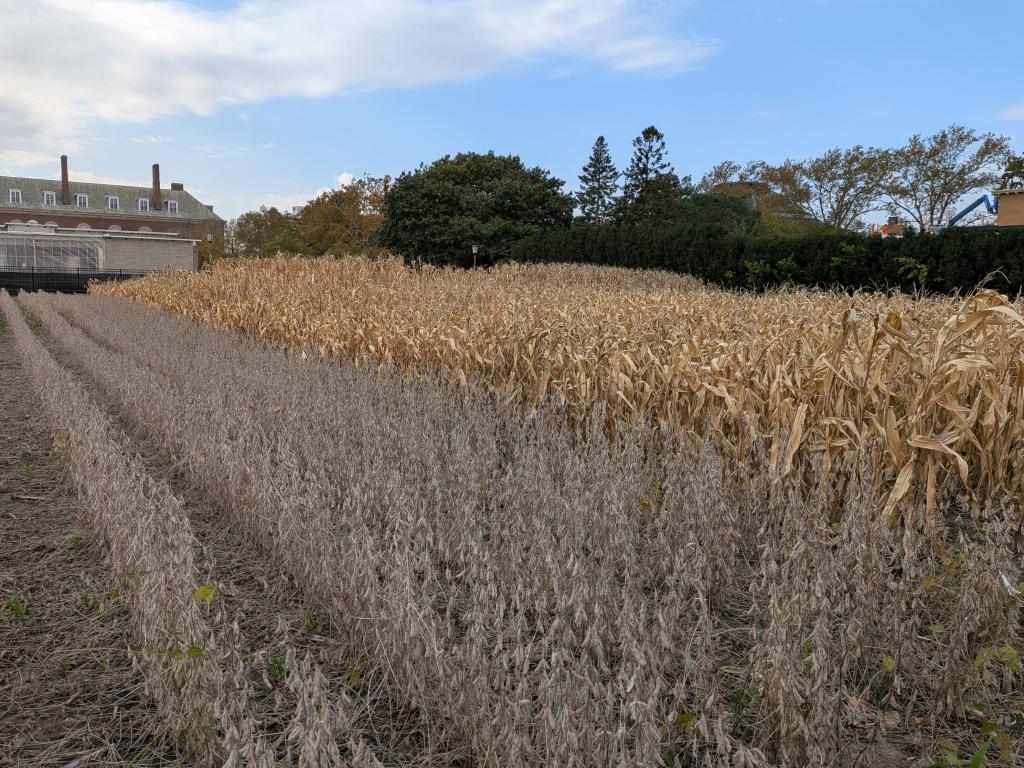
The Morrow Plots at the University of Illinois in Urbana-Champaign were established in 1876 to test the effect of crop rotation and nutrient inputs on yields of maize (corn) and soil fertility in a rich prairie soil. The experiment was inspired in part by a visit from University of Illinois agricultural chemist Charles Silver to Rothamsted in the 1870s to see the Classical experiments, such as Broadbalk, that had been started by Lawes and Gilbert in the 1840s-1850s – making them the world’s oldest continuously-running LTEs.
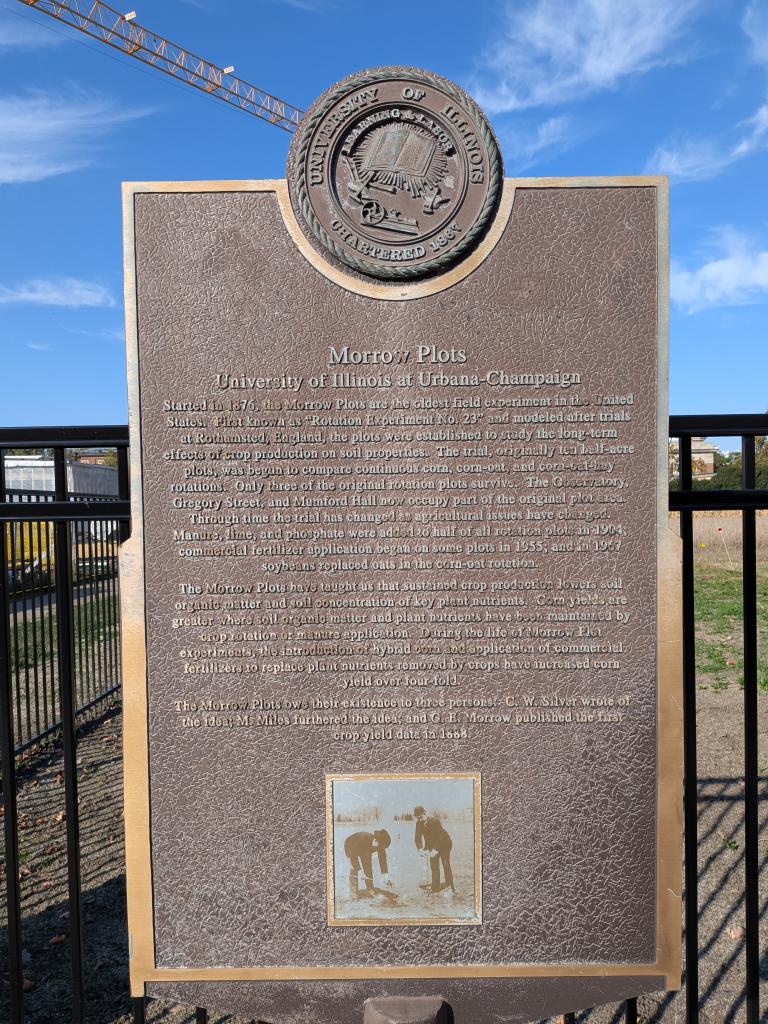
Shortly after the establishment of the Illinois plots, responsibility for the experiment passed to the first Dean of Agriculture – George Morrow – after whom the experiment was eventually named. As with the Rothamsted LTEs, the Morrow Plots have increased in importance over time through careful modification, the archiving of samples, and the generation of datasets, and they continue to support research in sustainable agriculture, food security and climate change.
To celebrate their 150th anniversary, a two-day scientific meeting at the University of Illinois in October 2026 brought together lead scientists managing key LTEs in the USA, Europe and China. The focus of the meeting, chaired by Prof. Andrew Margenot (current Director of the Morrow Plots), was on the ‘big picture’ of LTEs – their management, challenges and opportunities. Topics discussed included practical management, resourcing, the modification of LTEs, sample archiving, data management, knowledge exchange and public engagement.
Dr Andy Gregory, Project Lead of the Rothamsted Long-Term Experiments, was invited to give the opening keynote at the meeting with a presentation centred on how the Rothamsted LTEs have evolved from 19th Century trials to a 21st Century research infrastructure. A new term that has evolved in the last two years was widely used during the meeting to distinguish those very special LTEs that have reached more than 100 years in age – “Supracentennial Experiments”.
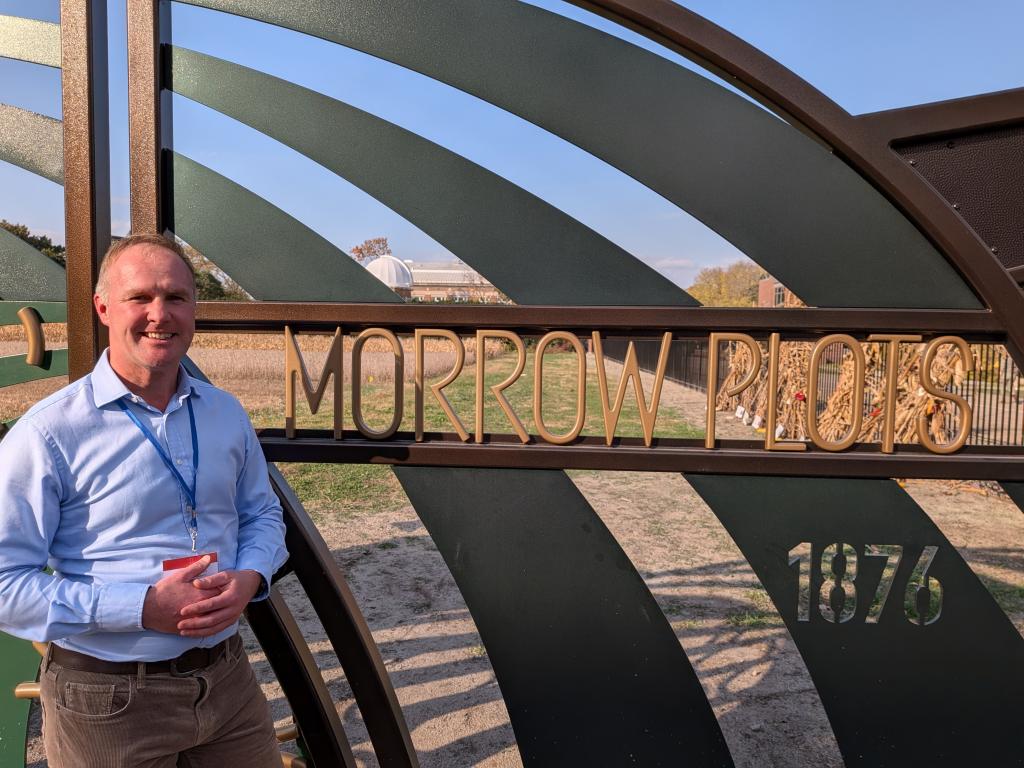
Andy commented, “On behalf of Rothamsted, it was a great honour to be invited to the celebration meeting of the iconic Morrow Plots, and it was nice to hear of our small role in the establishment and on-going success of the experiment. I see Rothamsted as being part of a global family of LTEs, each unique, but each contributing to an irreplaceable resource with a total value much greater than the sum of the parts. We have a community of LTE managers, and it is great to share our experiences of our common challenges and opportunities whenever we meet.
Global LTEs are vital evolving resources for tracking changes in plant and soil traits in agricultural systems that take decades to manifest, and which cannot be detected in short-term studies. They also tell us much about the effect of a changing climate on agricultural systems. Continuing support for LTEs lies in our ability to evidence how they are currently being used, to show that today’s science was only possible through long-term investment, and that our findings in the future are dependent on their continued upkeep now.”
SOIL SCIENTIST
Rothamsted Research is the longest-running agricultural research institute in the world. We work from gene to field with a proud history of ground-breaking
discoveries in areas as diverse as crop management, statistical interpretation and soil health. Our founders, in 1843, were the pioneers of modern
agriculture, and we are known for our imaginative science and our collaborative approach to developing innovative farm practice.
Through independent research, we make significant contributions to improving agri-food systems in the UK and internationally, with
economic impact estimated to exceed £3 bn in annual contribution to the UK economy. Our strength lies in our systems approach, which combines strategic research,
interdisciplinary teams and multiple partnerships.
Rothamsted is home to three unique National Bioscience Research Infrastructures which are open to researchers from all over the world:
The Long-Term Experiments,
Rothamsted Insect Survey and the
North Wyke Farm Platform.
We are strategically funded by the Biotechnology and Biological Sciences Research Council (BBSRC), with additional support from other national and
international funding streams, and from industry. We are also supported by the Lawes Agricultural Trust (LAT).
The Biotechnology and Biological Sciences Research Council is part of UK Research and Innovation, a non-departmental public body funded by a grant-in-aid
from the UK government.
BBSRC invests to push back the frontiers of biology and deliver a healthy, prosperous and sustainable future. Through our investments, we build and support a vibrant,
dynamic and inclusive community which delivers ground-breaking discoveries and develops bio-based solutions that contribute to tackling global challenges,
such as sustainable food production, climate change, and healthy ageing.
As part of UK Research and Innovation (UKRI), we not only play a pivotal role in fostering connections that enable the UK’s world-class research and innovation system
to flourish – we also have a responsibility to enable the creation of a research culture that is diverse, resilient, and engaged.
BBSRC proudly forges interdisciplinary collaborations where excellent bioscience has a fundamental role. We pioneer approaches that enhance the equality, diversity,
and inclusion of talent by investing in people, infrastructure, technologies, and partnerships on a global scale.
The Lawes Agricultural Trust, established in 1889 by Sir John Bennet Lawes, supports Rothamsted Research’s national and international agricultural science through the provision of land, facilities and funding. LAT, a charitable trust, owns the estates at Harpenden and Broom's Barn, including many of the buildings used by Rothamsted Research. LAT provides an annual research grant to the Director, accommodation for nearly 200 people, and support for fellowships for young scientists from developing countries. LAT also makes capital grants to help modernise facilities at Rothamsted, or invests in new buildings.