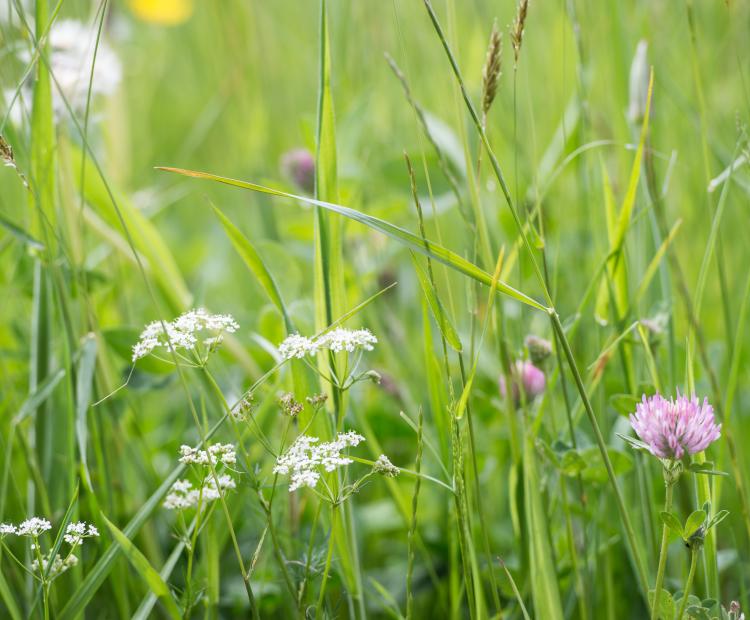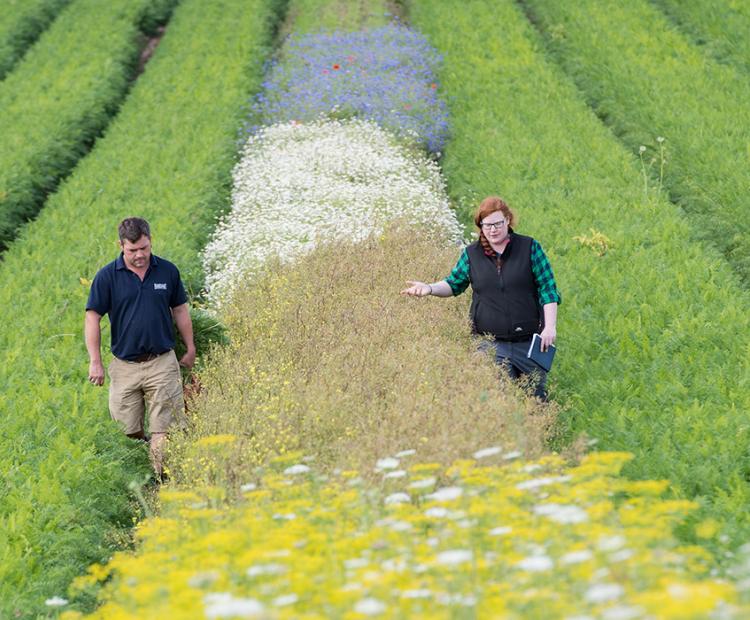
The big picture: using wildflower strips for pest control
They may be beautiful, but these strips prove pretty deadly for every farmer's mortal enemy: aphids

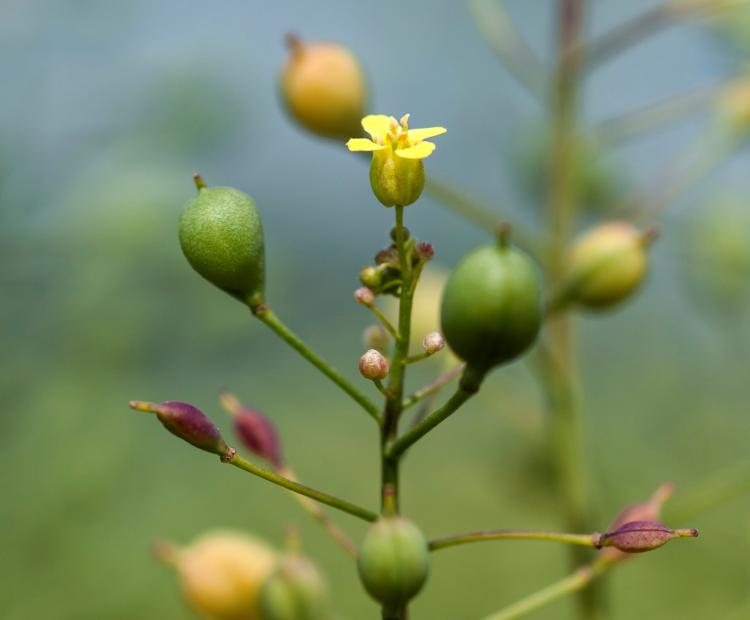
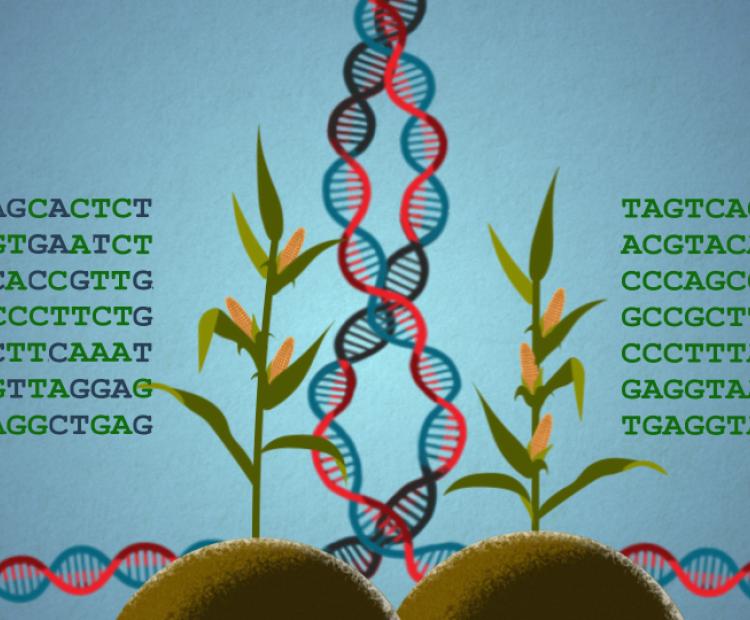
Trehalose 6-phosphate (T6P) is a powerful sugar signal in plants that is one of most promising targets in crop improvement. The research team at Rothamsted, SugaROx and Reading have demonstrated yield increases in field conditions through targeting T6P through novel chemistry (Griffiths et al. 2025 doi.org/10.1038/s41587-025-02611-1) and genetic modification (Yuan et al. 2024 doi.org/10.1111/tpj.16617; Nuccio et al. 2015 doi.org/10.1038/nbt.3277). Developments in engineering biology provide new opportunity in genome editing and precision breeding. The iCASE project supported by Rothamsted spinout, SugaROx, will determine how existing genetics can be influenced by T6P through chemical biology and genetic tools. AI will be used to determine optimal T6P levels and expression of TPS and TPP genes to improve photosynthesis, yield and resilience in oilseed rape pods. The project provides an opportunity to combine engineering biology science at the interface between academia and translation and to gain experience with an award-winning spinout company.
To receive studentship funding, you must have qualifications or experience equal to an honours degree at a first or upper second class level, or a masters from a UK academic research organisation. This studentship is only available for UK Home fee status students.
BBSRC Engineering Biology (EngBio4GBP) funded project is a consortium between Royal Holloway University of London, Reading University and Rothamsted Research. Funding for full-time or part-time UK-rate tuition fees and standard UKRI-rate stipend (including London Weighting where appropriate) for 4 years. The potential exists for an increased stipend via the TechExpert scheme and/or discretionary iCASE industrial funds, these criteria await confirmation.
To apply, please complete the following 2 forms and submit with your academic transcripts, by the deadline below, to EngBioDFA@royalholloway.ac.uk
2. EDI Form
Questions should be directed to the admin team at EngBioDFA@royalholloway.ac.uk
Please see visit the EngBioDFA Webpages for further details.