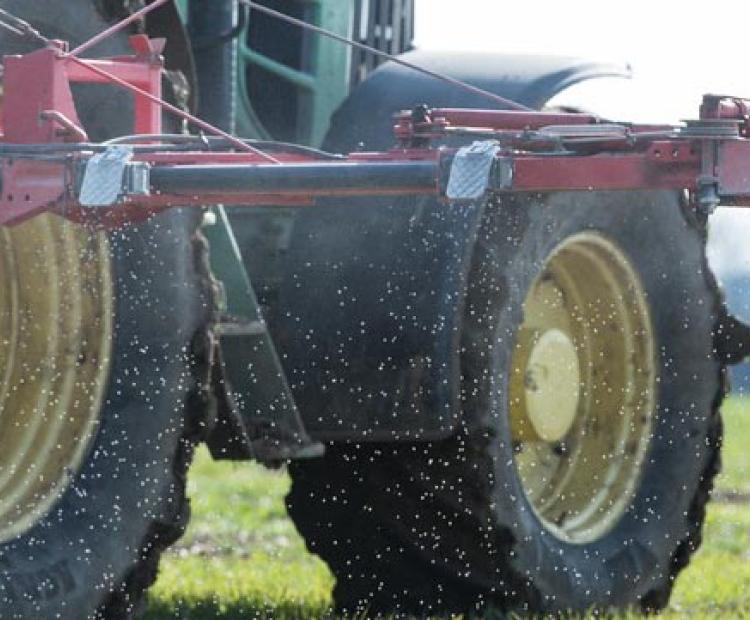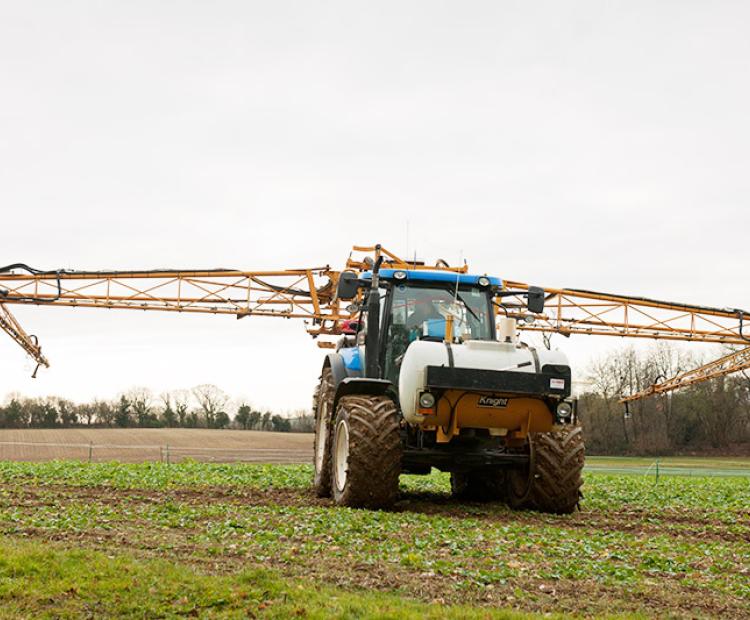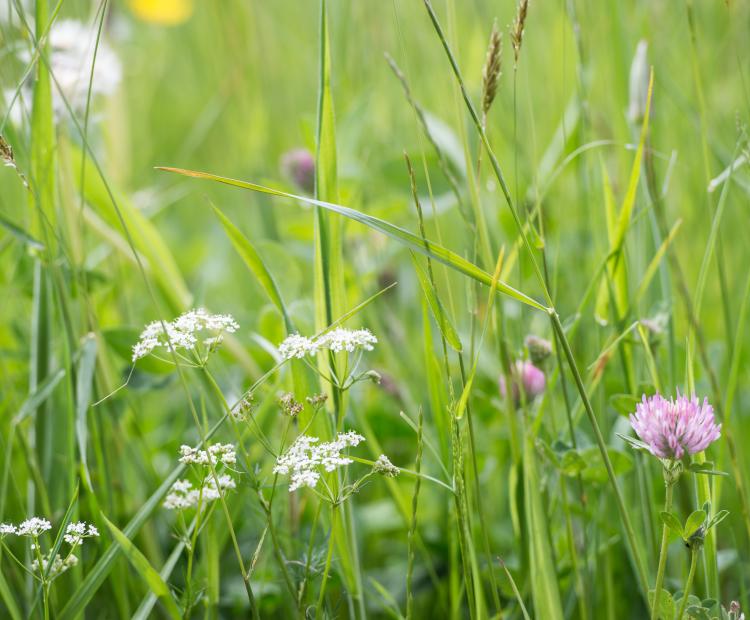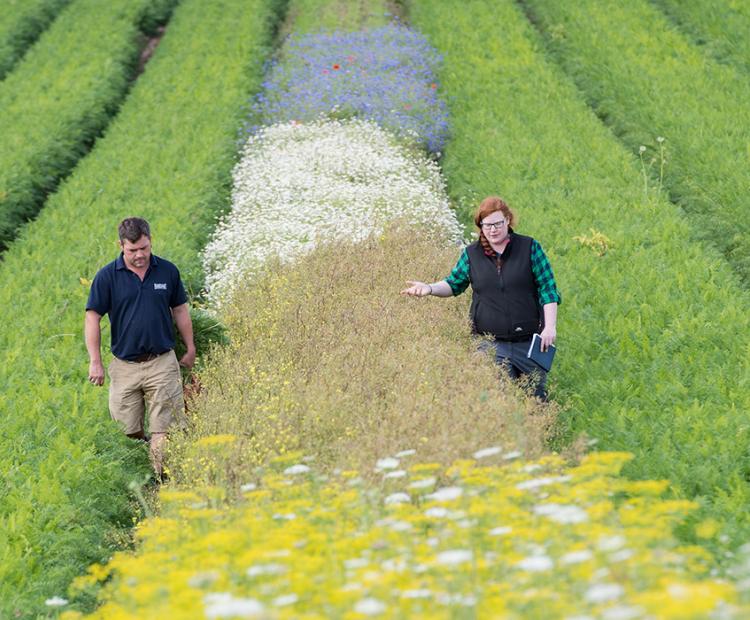
The big picture: using wildflower strips for pest control
They may be beautiful, but these strips prove pretty deadly for every farmer's mortal enemy: aphids
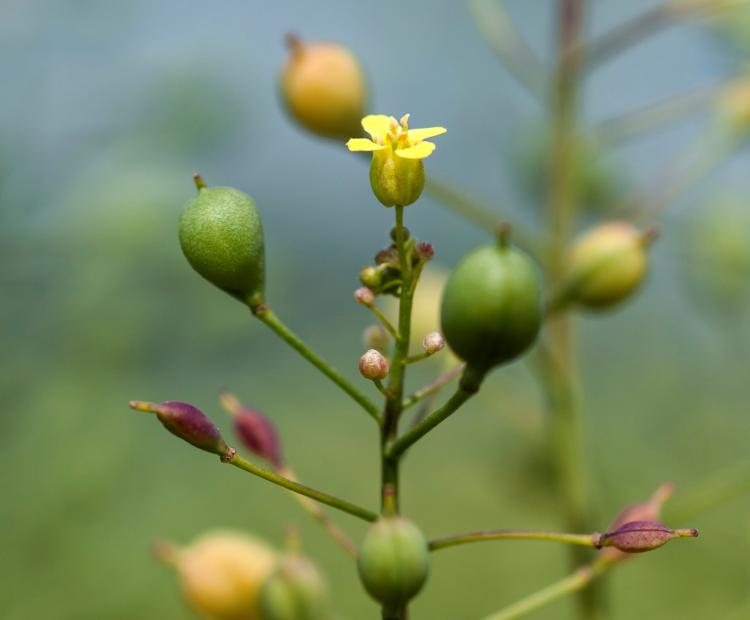
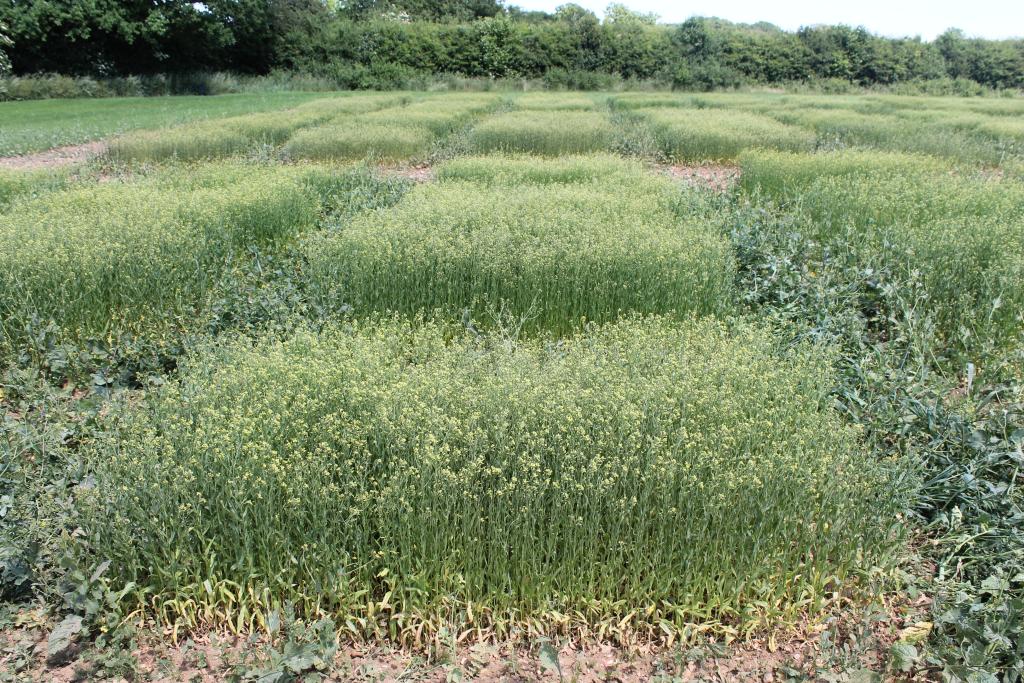
As climate change brings more frequent heatwaves and droughts, scientists are looking for crops that can cope with tougher growing conditions. New research highlights camelina (Camelina sativa), a traditional oilseed crop used for food, animal feed, and biofuels, as a promising example of how plants can adapt – and how that knowledge could help future farming.
Working with partners across Europe, the EU funded UNTWIST project examined a panel of 54 diverse camelina lines for their response to heat and drought stress, in both controlled environments and farmers’ fields across Europe. Surprisingly, despite a lack of genetic diversity in camelina, the results showed significant plasticity in the way each line responded to stress, demonstrating that camelina is not only resilient to the effects of climate change, but individual varieties reacted in very different ways. A result that could offer farmers in different regions a tailored solution to the climate challenge.
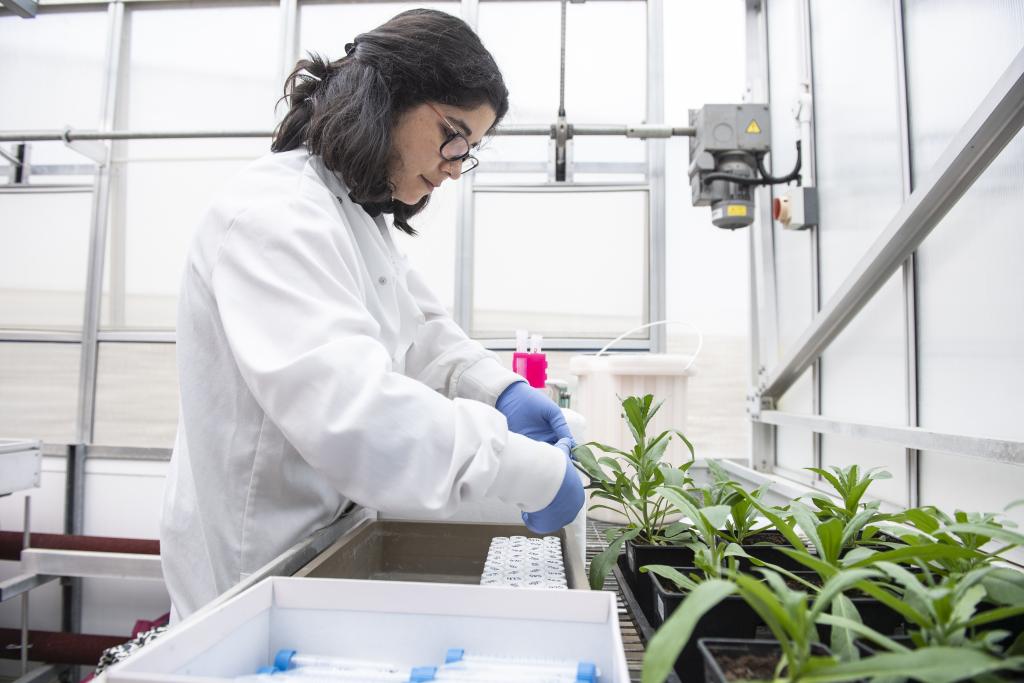
Looking inside the plants revealed that heat and drought triggered distinct changes in plant chemistry – some plants adjusted their metabolism strongly under stress, while others relied more on physical and physiological changes. At the molecular level, camelina adjusted sugars, amino acids, antioxidants and lipids, and remodelled fatty acids in leaves to maintain cell function. Several metabolites and fatty acids were identified as reliable indicators of stress response, providing potential markers for crop improvement. Importantly, these different strategies revealed a high degree of plasticity, meaning camelina can deploy multiple ways to cope with challenging conditions.
Furthermore, when tested in field trials, camelina lines that showed greater metabolic flexibility as young seedlings in controlled environments, often performed better in the field, even under challenging conditions. Combining controlled environment studies with real world field testing allowed researchers to not only understand how plants cope with stress, but has also supported a rapid translation of ‘know how’ to growers.
Dr Susana Silvestre, lead author on the study, said:
“By linking early plant responses measured in the lab with performance in the field, this research provides a practical framework for breeding more climate-resilient crops. While camelina is a niche crop, the lessons learned could support wider efforts to diversify farming systems and make agriculture more robust in the face of climate change.”
This research tells us that resilience is not about a single “stress-tolerant” trait. Instead, plants that can adjust their biology in multiple ways are better able to cope with unpredictable weather. The study also showed that genetics alone cannot fully explain how crops perform under stress – environment, management and plant responses play a major role.
To better understand how Camelina sativa successfully adapts to drought and heat, the UNTWIST project, a collaboration between European research organisations, has launched the new UNTWIST Plant Adaptation Hub. This public web-based platform allows anyone to access the results from the team, learn more about camelina, and share research on the oilseeds adaptation to environmental stresses. The hub provides users with curated data, advanced tools, and visualization approaches to help improve crop resilience and yield stability, supporting more sustainable UK and European agriculture under changing climates. To find out more, the upcoming International Camelina Conference (July 10th-11th, Malaga) will be an opportunity to discuss the results from UNTWIST and those from other leading experts and stakeholders in the field of camelina.
This research was supported by the UNTWIST project, which has received funding from the European Union’s Horizon 2020 research and innovation program under grant agreement no. 862524.

Plant Metabolic Engineer

Plant Lipid Biochemist
Rothamsted Research is the longest-running agricultural research institute in the world. We work from gene to field with a proud history of ground-breaking
discoveries in areas as diverse as crop management, statistical interpretation and soil health. Our founders, in 1843, were the pioneers of modern
agriculture, and we are known for our imaginative science and our collaborative approach to developing innovative farm practice.
Through independent research, we make significant contributions to improving agri-food systems in the UK and internationally, with
economic impact estimated to exceed £3 bn in annual contribution to the UK economy. Our strength lies in our systems approach, which combines strategic research,
interdisciplinary teams and multiple partnerships.
Rothamsted is home to three unique National Bioscience Research Infrastructures which are open to researchers from all over the world:
The Long-Term Experiments,
Rothamsted Insect Survey and the
North Wyke Farm Platform.
We are strategically funded by the Biotechnology and Biological Sciences Research Council (BBSRC), with additional support from other national and
international funding streams, and from industry. We are also supported by the Lawes Agricultural Trust (LAT).
The Biotechnology and Biological Sciences Research Council is part of UK Research and Innovation, a non-departmental public body funded by a grant-in-aid
from the UK government.
BBSRC invests to push back the frontiers of biology and deliver a healthy, prosperous and sustainable future. Through our investments, we build and support a vibrant,
dynamic and inclusive community which delivers ground-breaking discoveries and develops bio-based solutions that contribute to tackling global challenges,
such as sustainable food production, climate change, and healthy ageing.
As part of UK Research and Innovation (UKRI), we not only play a pivotal role in fostering connections that enable the UK’s world-class research and innovation system
to flourish – we also have a responsibility to enable the creation of a research culture that is diverse, resilient, and engaged.
BBSRC proudly forges interdisciplinary collaborations where excellent bioscience has a fundamental role. We pioneer approaches that enhance the equality, diversity,
and inclusion of talent by investing in people, infrastructure, technologies, and partnerships on a global scale.
The Lawes Agricultural Trust, established in 1889 by Sir John Bennet Lawes, supports Rothamsted Research’s national and international agricultural science through the provision of land, facilities and funding. LAT, a charitable trust, owns the estates at Harpenden and Broom's Barn, including many of the buildings used by Rothamsted Research. LAT provides an annual research grant to the Director, accommodation for nearly 200 people, and support for fellowships for young scientists from developing countries. LAT also makes capital grants to help modernise facilities at Rothamsted, or invests in new buildings.