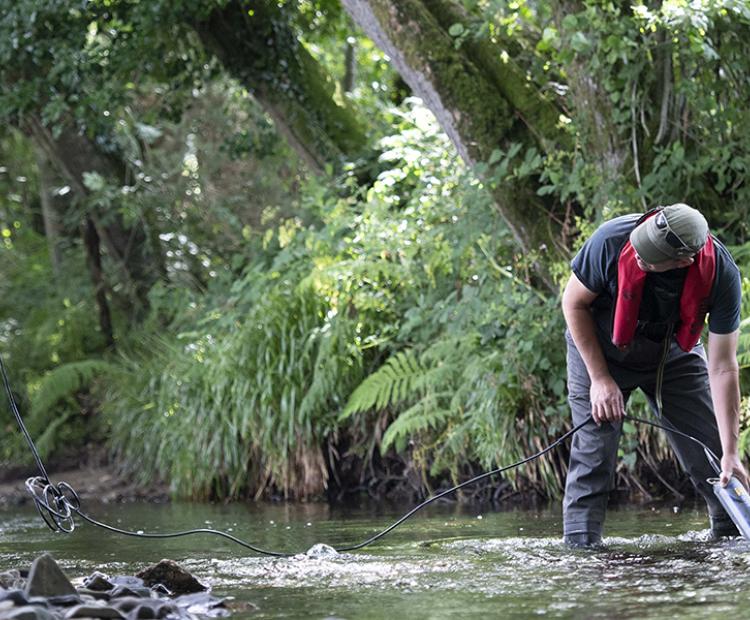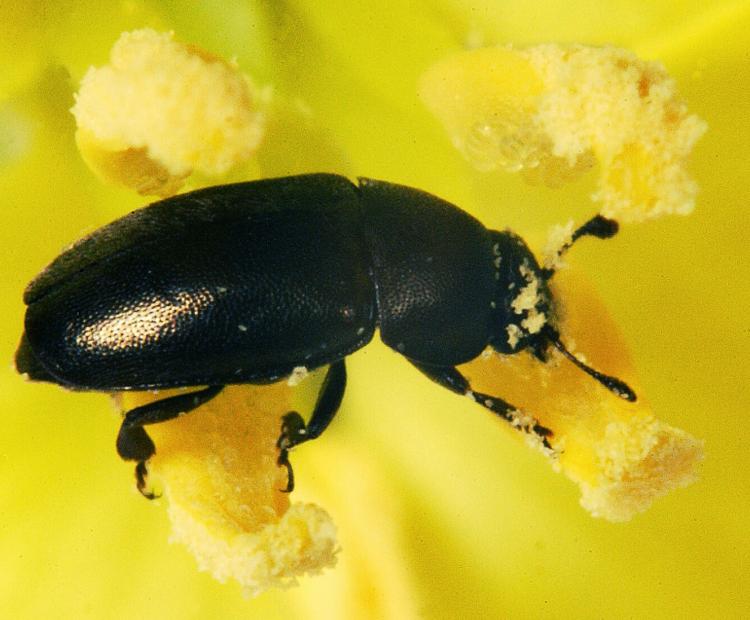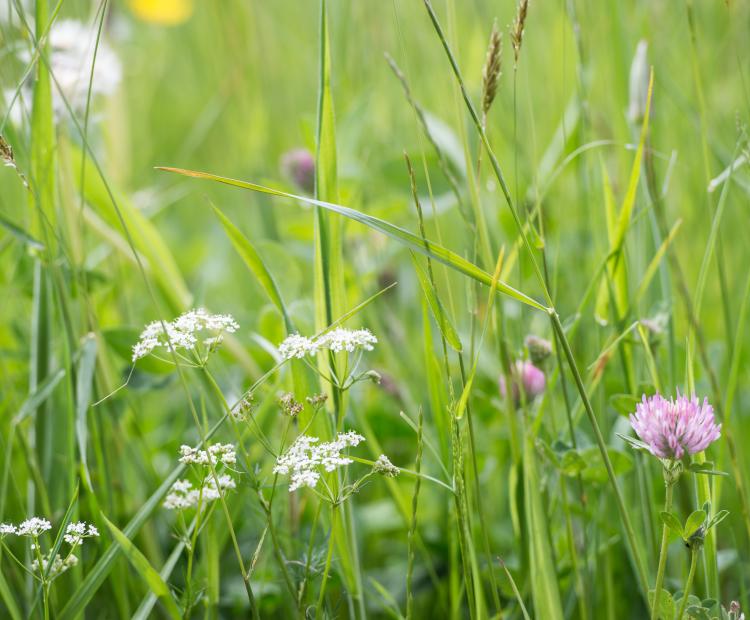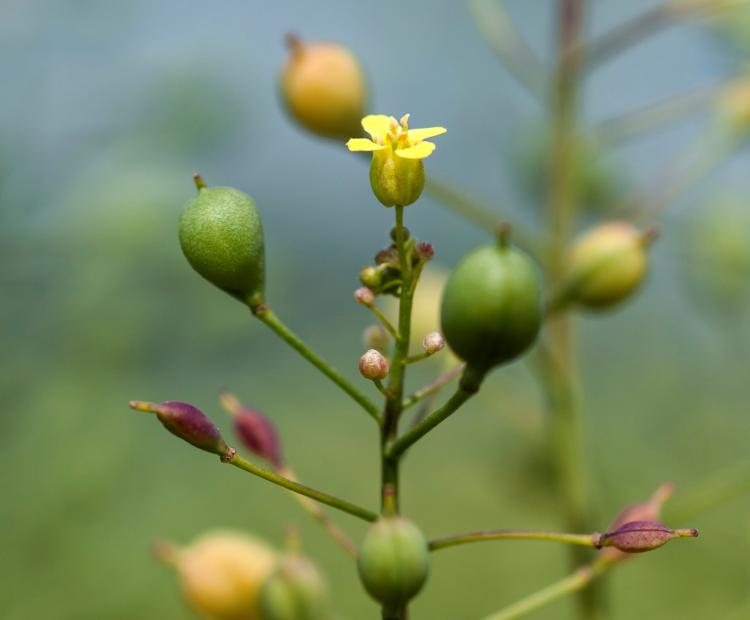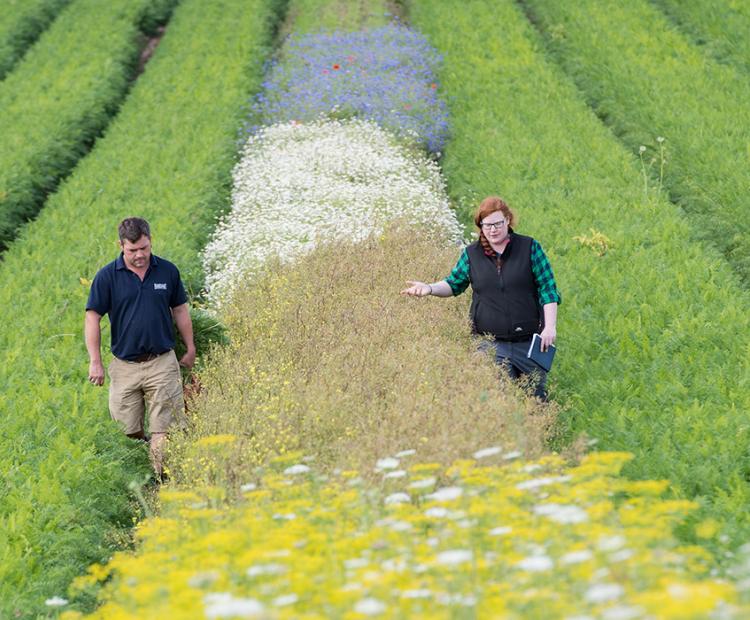
The big picture: using wildflower strips for pest control
They may be beautiful, but these strips prove pretty deadly for every farmer's mortal enemy: aphids

Start date
Time
Venue
Enquiries
Cost
The tiny roundworm Caenorhabditis elegans is widely used by scientists to understand how microbes cause disease. It helps us explore big biological questions in a simple, manageable system.
Research has shown that plants release natural chemicals from their roots, known as root exudates. These chemicals can slow down ageing of the worm’s outer skin, keeping it in a state where it is more easily infected by certain soil bacteria, including Pasteuria penetrans. These bacteria are highly selective — they infect specific nematode species and form part of a three-way relationship between plant, nematode and bacterium. By influencing the worm’s surface in this way, plants effectively “recruit” helpful bacteria from the soil. The bacteria then infect and reduce harmful nematode populations that would otherwise damage plant roots.
Join Keith G. Davies from the University of Hertfordshire to explore how plants use chemistry below ground to attract natural bacterial bodyguards — and how understanding these interactions could help us manage crop pests more sustainably.
Café Scientifique is a place where anyone can come to explore the latest ideas in science and technology. Meetings take place in cafes, bars, restaurants and even theatres, but always outside a traditional academic context. Anyone is welcome to come and learn something new, ask questions, and join in the discussion.